My Toddler Won’t Eat: Realistic Tricks for Surviving the Picky Eating Stage
This post contains affiliate links. As an Amazon Associate, I earn from qualifying purchases, at no additional cost to you.
One day your toddler eats three servings of chicken, half your dinner, and asks for more.
Naturally, you think, Wow. Look at my adventurous little eater.
The next day?
Chicken is offensive. The banana is “broken.” The pasta is apparently suspicious. And the only acceptable food is a cracker they found somewhere in the car.
Welcome to toddler eating.
The good news is that picky eating is incredibly common, especially between ages 2 and 4. Toddlers may suddenly refuse foods they happily ate last week, insist foods can't touch, or survive on what appears to be three blueberries and pure determination. The American Academy of Pediatrics (AAP) notes that this type of selective eating is common at this age. (HealthyChildren.org)
If you're currently negotiating with a two-year-old over one bite of broccoli, here are some things that can actually help.
1. Make the Utensils More Exciting Than the Food
Sometimes the problem isn't actually the food.
Toddlers LOVE novelty, so changing how they eat can make a completely ordinary meal suddenly much more interesting.
Try:
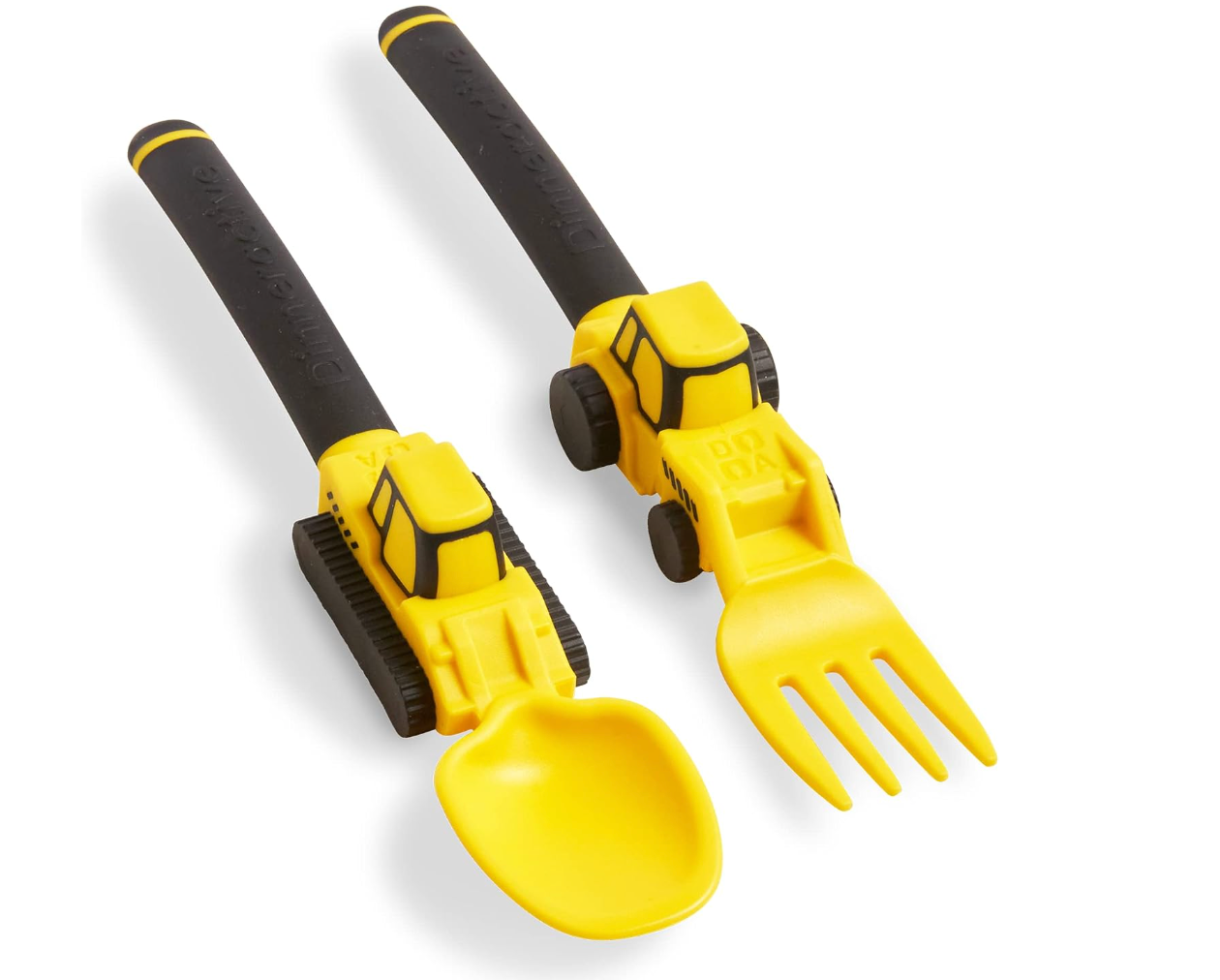
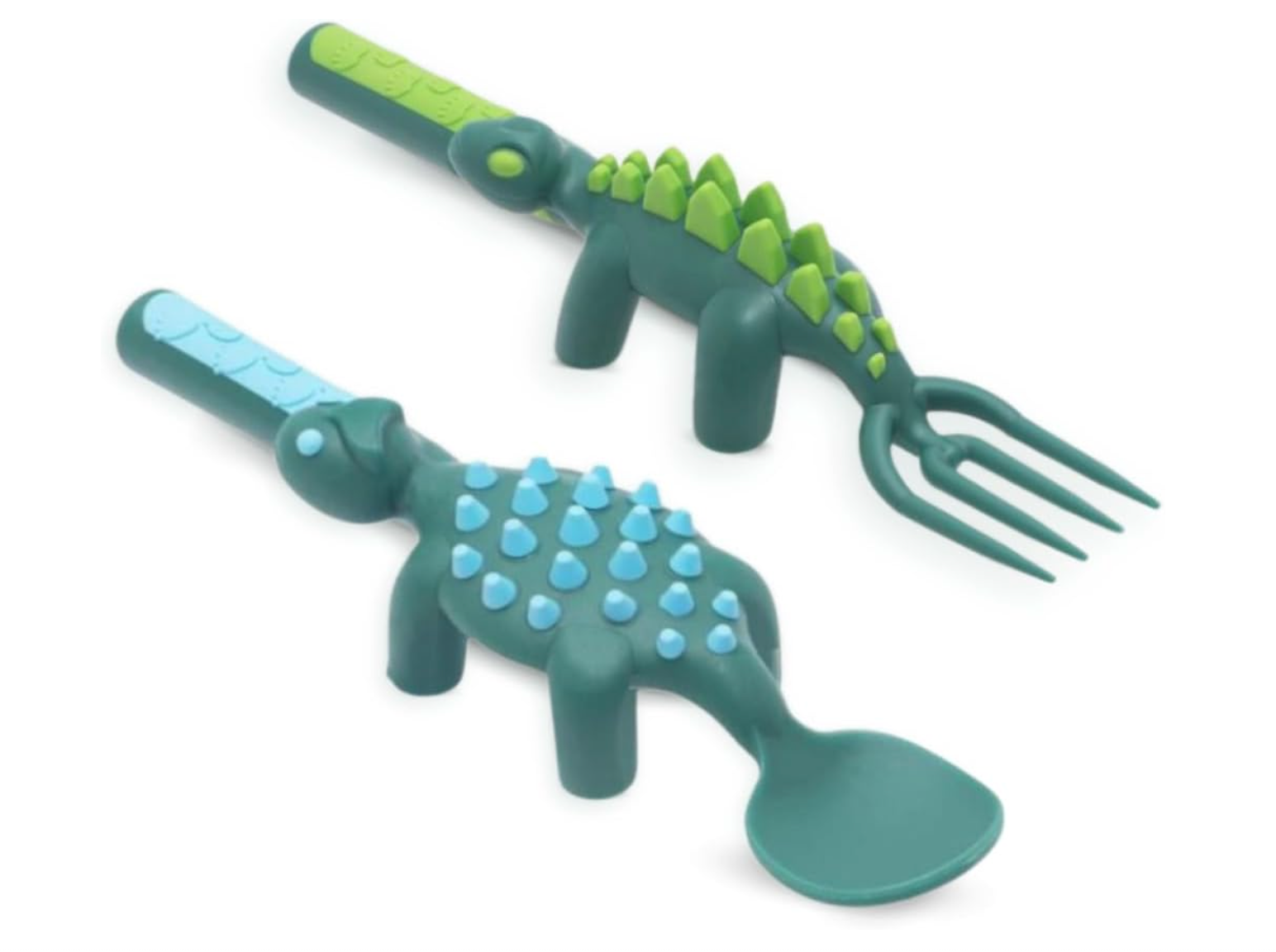
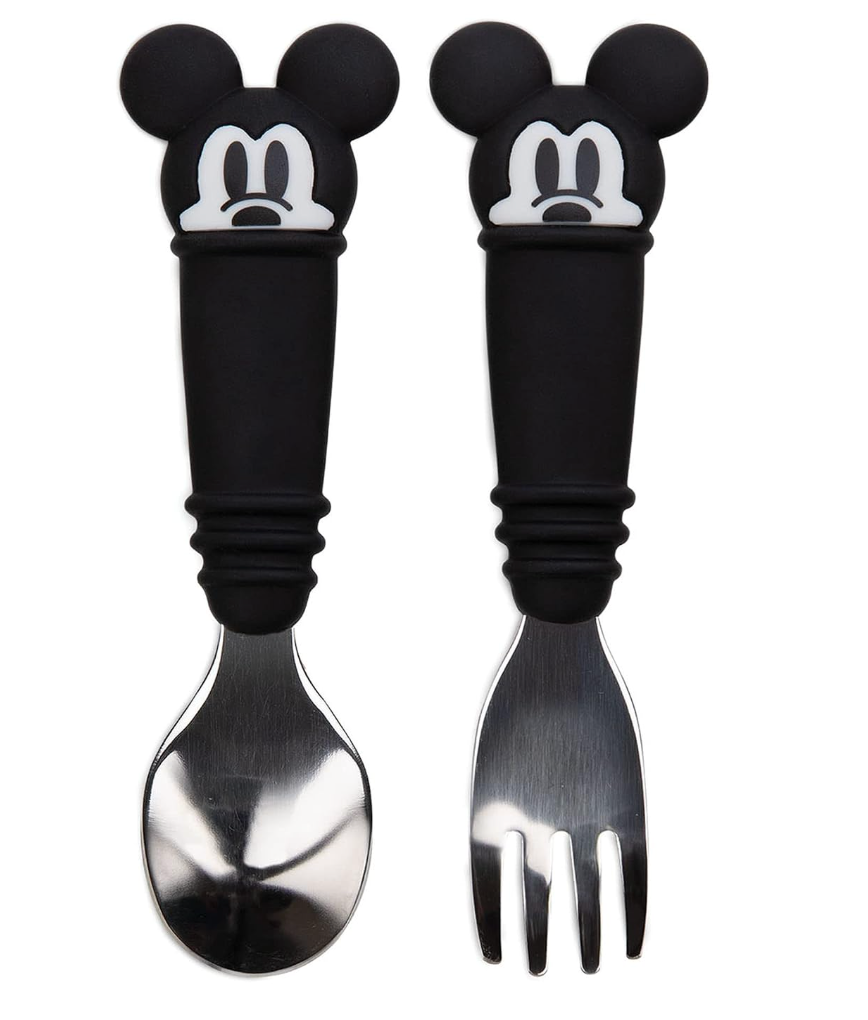
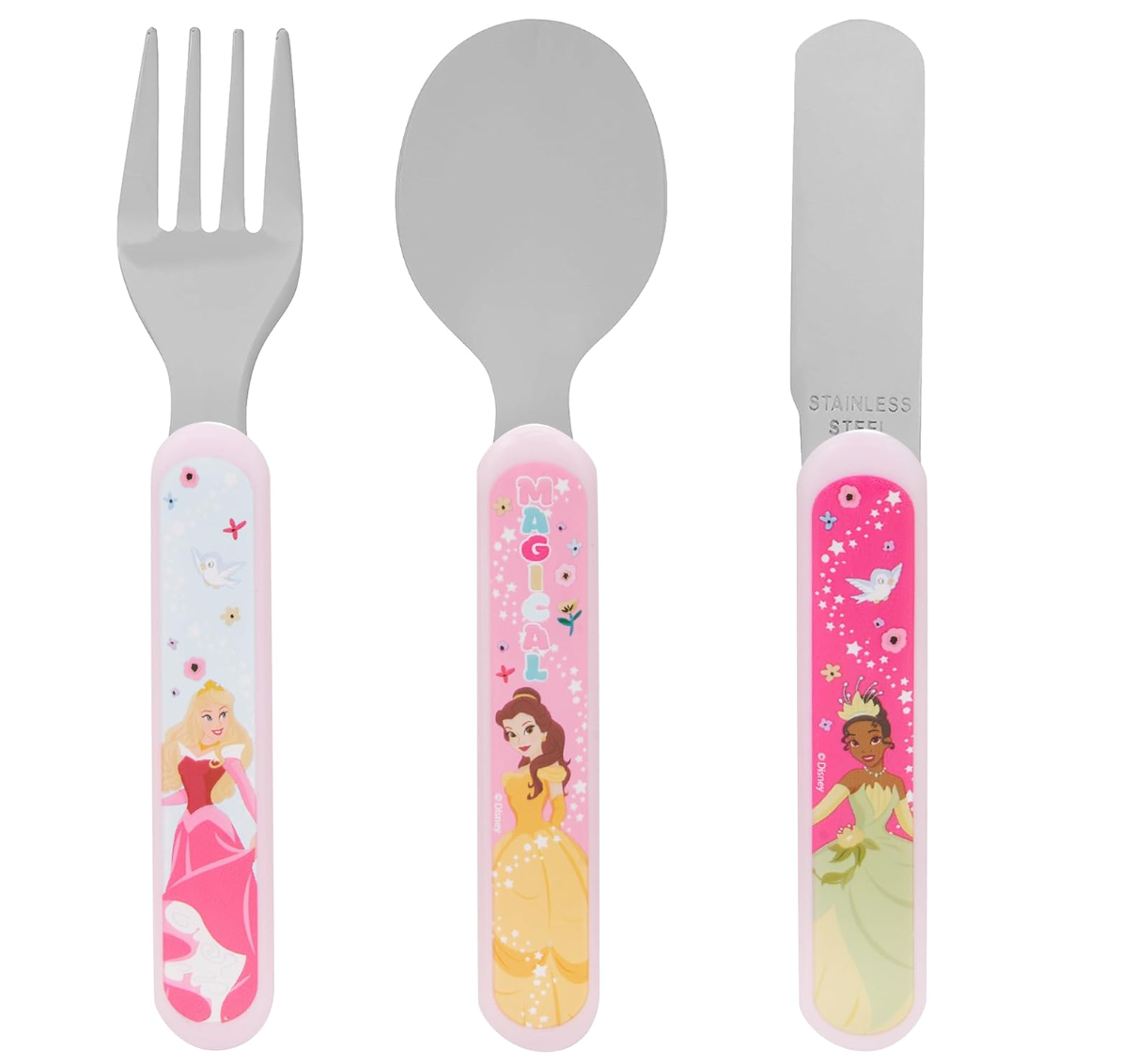
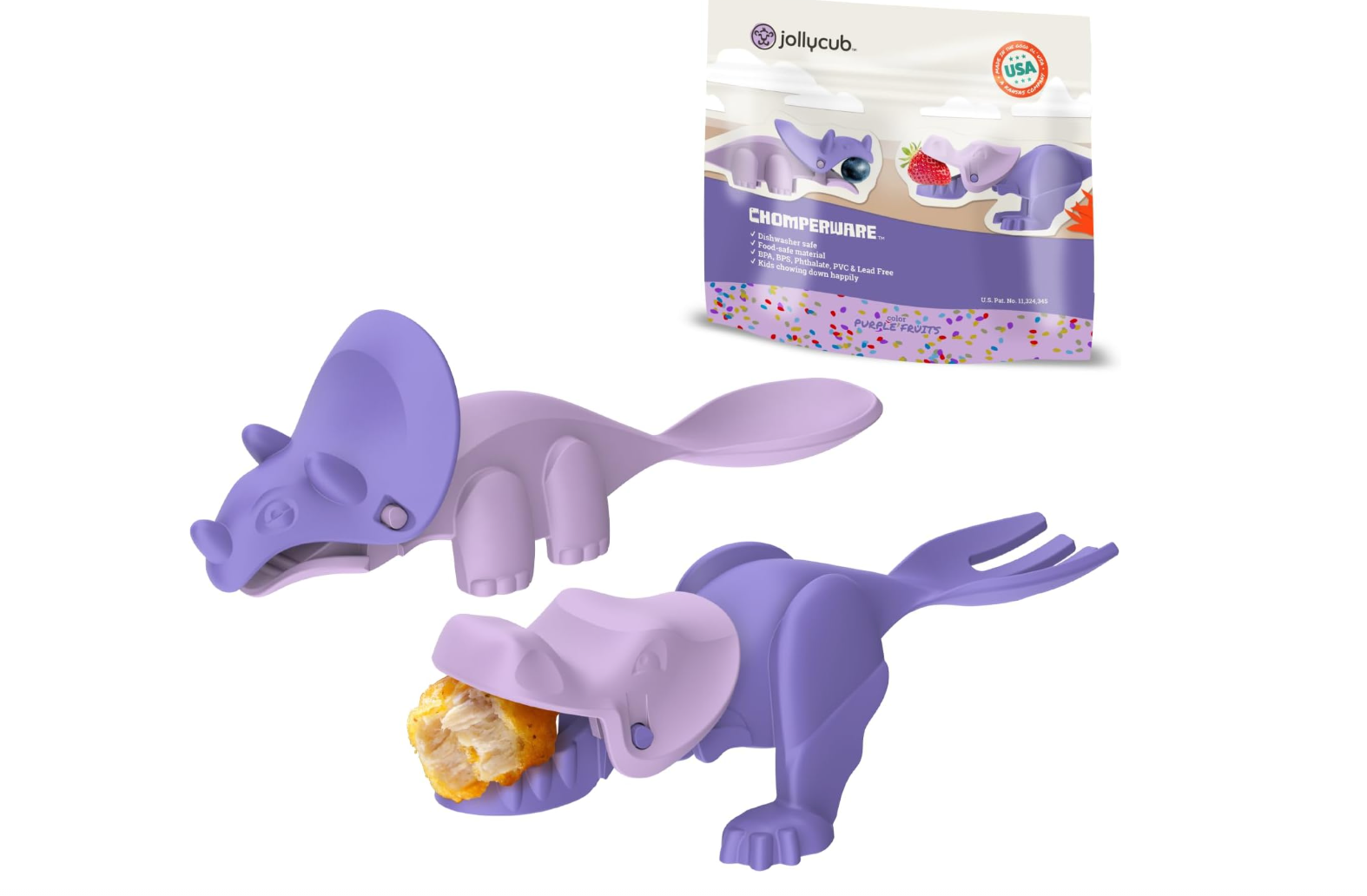
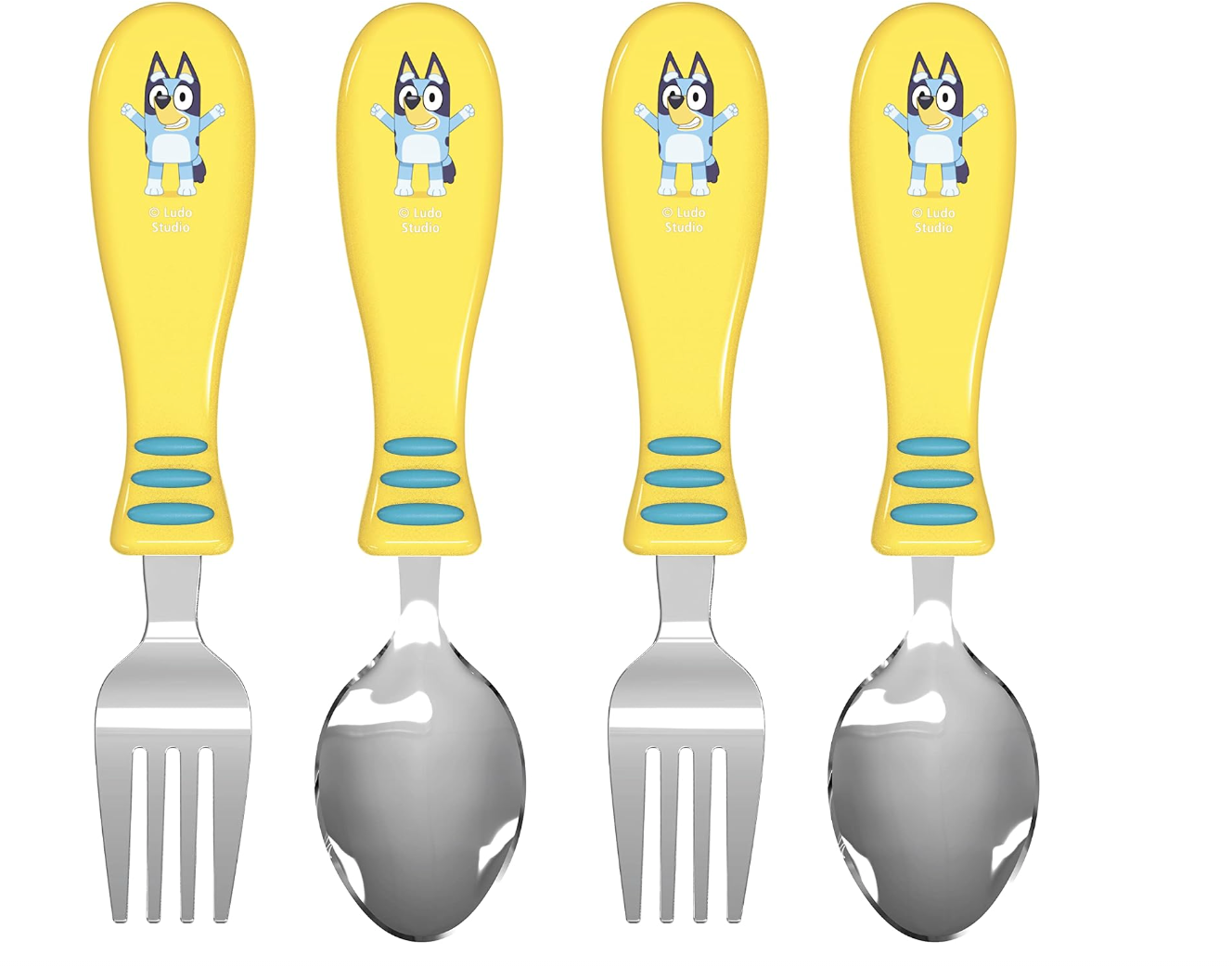
You can even rotate them instead of using the same ones every day.
"Do you want your dinosaur fork or your blue fork?"
Suddenly, they're making an important executive decision instead of thinking about the fact that you just put a green bean on their plate.
2. Let the Dinosaur Take the First Bite
This trick sounds ridiculous.
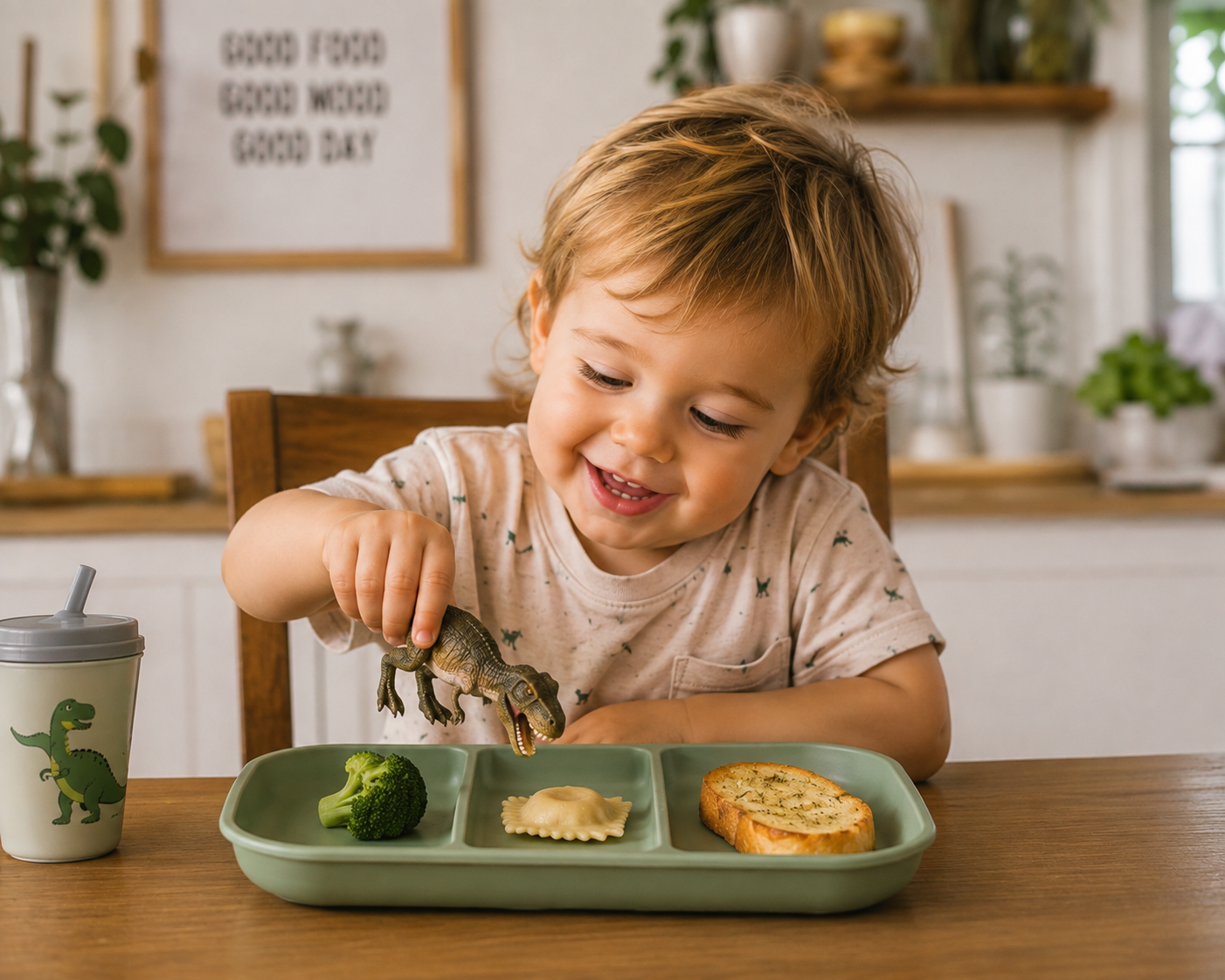
Which is precisely why toddlers love it.
Grab a favorite dinosaur, doll, stuffed animal, action figure, or truck and let them investigate dinner first.
"Hmm...I don't know if Mr. Dinosaur likes chicken. Should he smell it?"
Then:
"CHOMP! Oh my gosh, he ate it!"
Your toddler might feed the toy, feed you, and eventually decide to try it themselves.
The goal isn't necessarily to get the bite into their mouth immediately. You're making the food less intimidating and more playful.
The CDC actually encourages playful interactions with food, including touching, smelling, making funny faces with food, and using the senses to help children become more comfortable with unfamiliar foods. (CDC)
So yes, apparently letting a plastic T-Rex eat your broccoli can count as parenting. Here are our favorite dinos that have mouths that open which is a big plus.
3. Serve a "Safe Food" With the Meal
If your toddler loves strawberries, bread, rice, cheese, or another particular food, include a small amount alongside the rest of dinner.
This doesn't mean making them an entirely separate meal.
Think:
One familiar food + whatever the family is eating.
For example:
Chicken + roasted potatoes + broccoli + strawberries.
Maybe tonight they eat the chicken and strawberries and completely ignore the broccoli.
That's okay.
The AAP recommends including at least one food your child typically likes while continuing to offer a balanced meal. (HealthyChildren.org)
It removes some of the pressure while still exposing them to other foods.
4. Make Portions TINY
Sometimes we accidentally give toddlers a plate that looks reasonable to us but completely overwhelming to them.
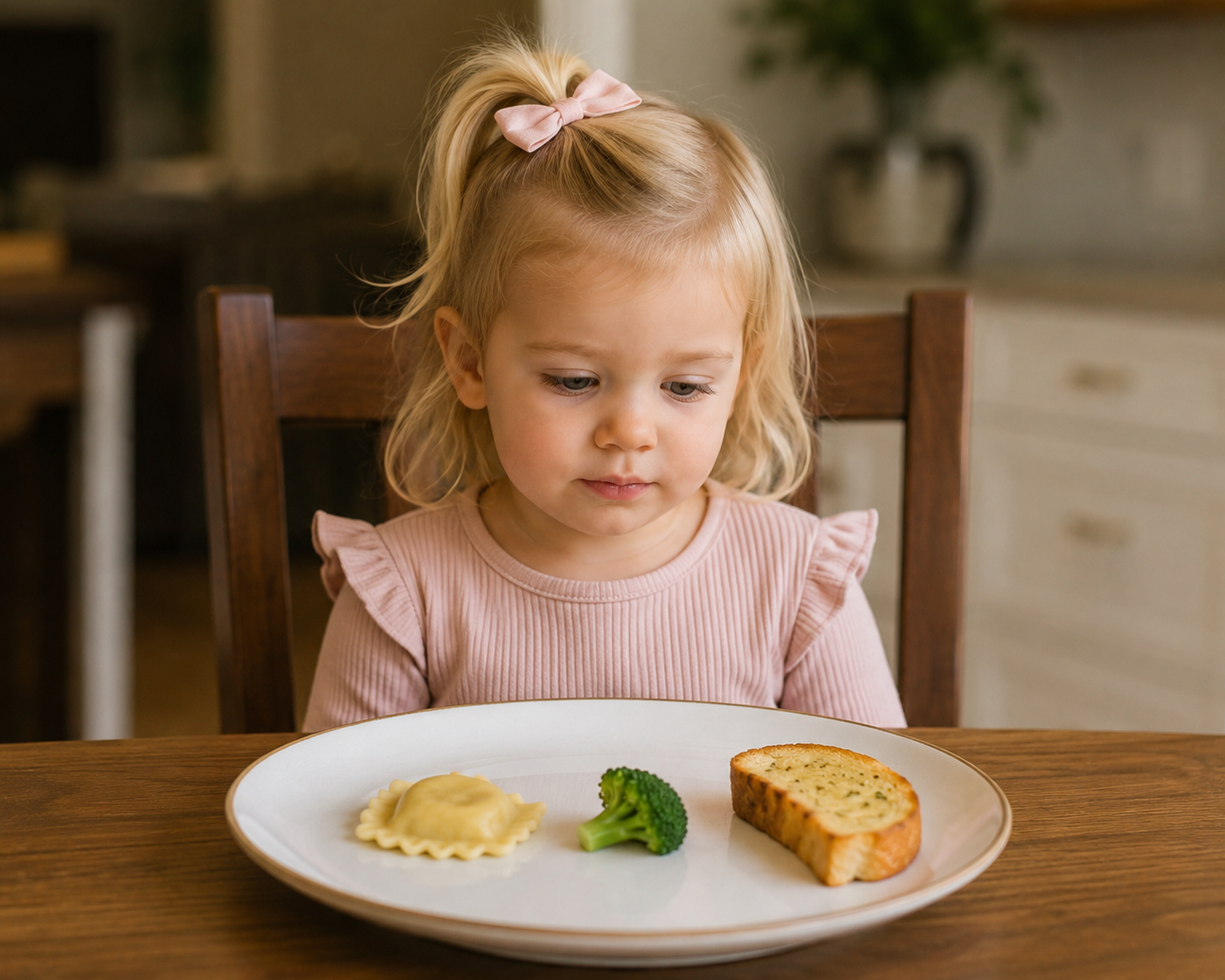
Instead of putting six pieces of broccoli on their plate, try one tiny piece.
One ravioli.
Two blueberries.
One piece of chicken.
A teaspoon of peas.
They can always ask for more.
And throwing away one untouched piece of broccoli feels significantly less painful than scraping half the produce aisle into the garbage every night.
5. Stop Expecting Them to Eat a New Food the First Time
This one changed the way I think about toddler meals.
If you put cucumber on their plate and they don't eat it, the cucumber didn't necessarily fail.
Maybe they touched it.
Maybe they smelled it.
Maybe they licked it and immediately announced, "YUCK."
Still exposure!
The CDC notes that it may take around 8–10 exposures before a young child is willing to try a new food, while AAP guidance notes that some children may need 15–20 tries before accepting one. (CDC)
So keep casually putting that food on the plate.
No speeches.
No pressure.
Just:
"Here's your dinner."
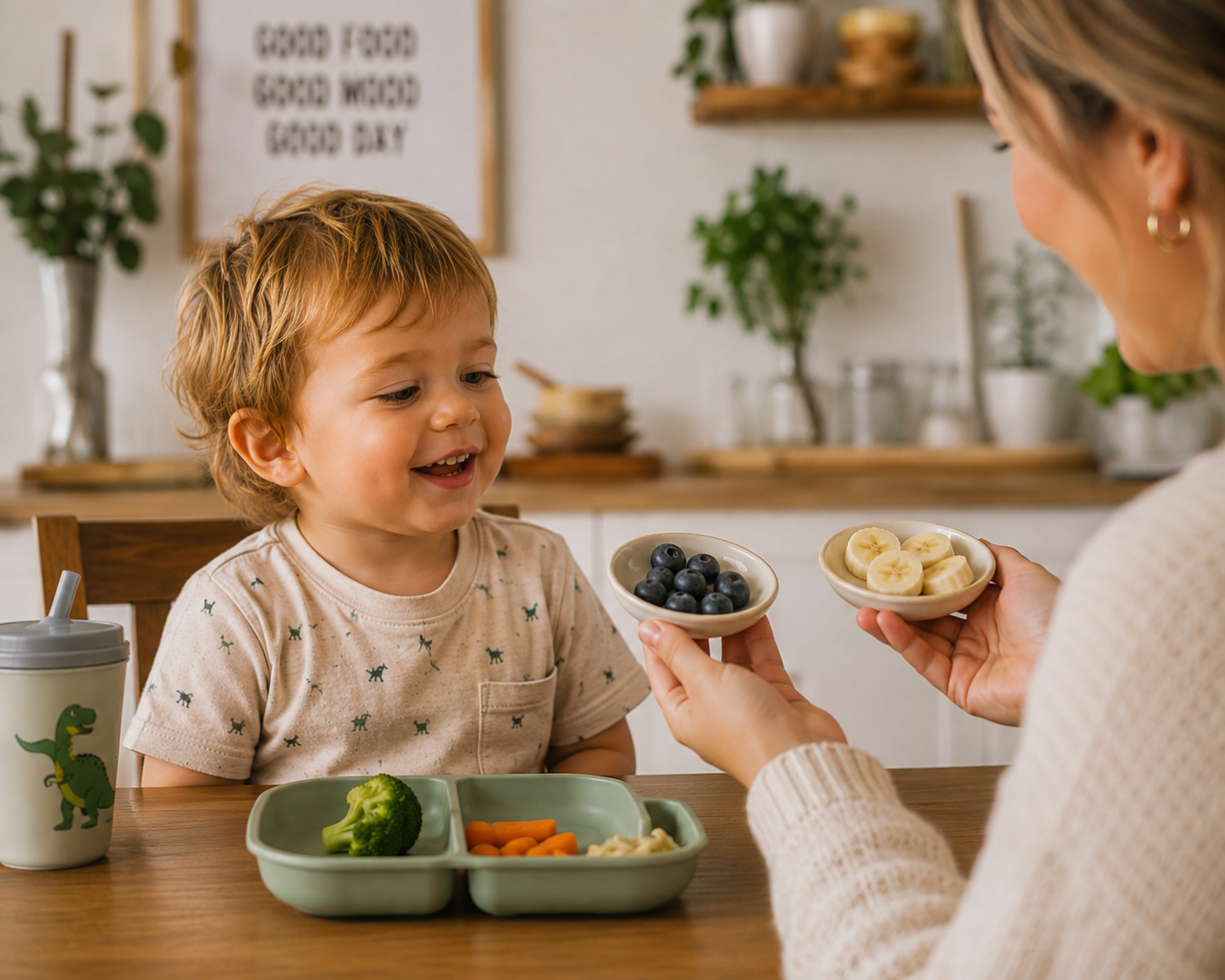
6. Give Them Two Choices
Toddlers want control over approximately everything.
Use it to your advantage.
Instead of:
"Do you want vegetables?"
Which obviously has one answer:
NO.
Try:
"Do you want cucumbers or carrots with lunch?"
Or:
"Blueberries or strawberries?"
"Chicken on this side or this side?"
"Blue plate or green plate?"
They're getting some control—but you're controlling the options. The AAP recommends offering children choices between healthy options as one way to encourage autonomy around food. (AAP)
Toddler psychology at its finest.
7. Let Them "Cook"
Will it take approximately four times longer?
Yes.
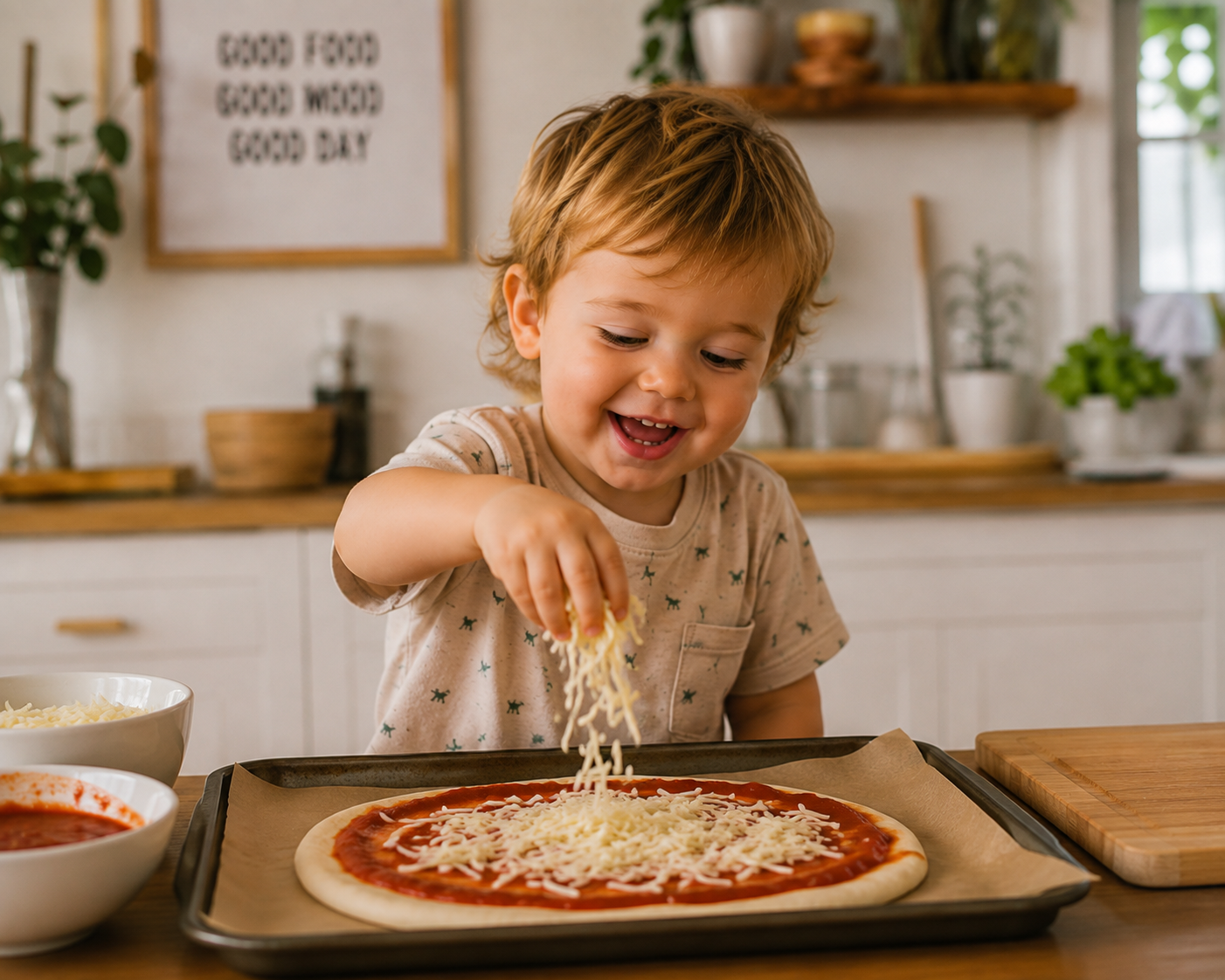
Will there be shredded cheese on your floor?
Also yes.
But letting toddlers help prepare food can make them much more curious about eating it.
Depending on their age, they can:
Pour ingredients into a bowl
Stir
Sprinkle cheese
Wash vegetables
Tear lettuce
Put berries onto a plate
Add toppings to pizza
Spread sauce with help
Choose which vegetable goes on their plate
The CDC and AAP both recommend involving young children in food preparation as a way to build interest and comfort around food. (CDC)
Even better, get them their own toddler-safe kitchen tools .
8. Never Underestimate the Power of Dip
For reasons I cannot explain, toddlers will often reject a perfectly good piece of chicken...
...until you give them something to dip it into.
Then it's fine.
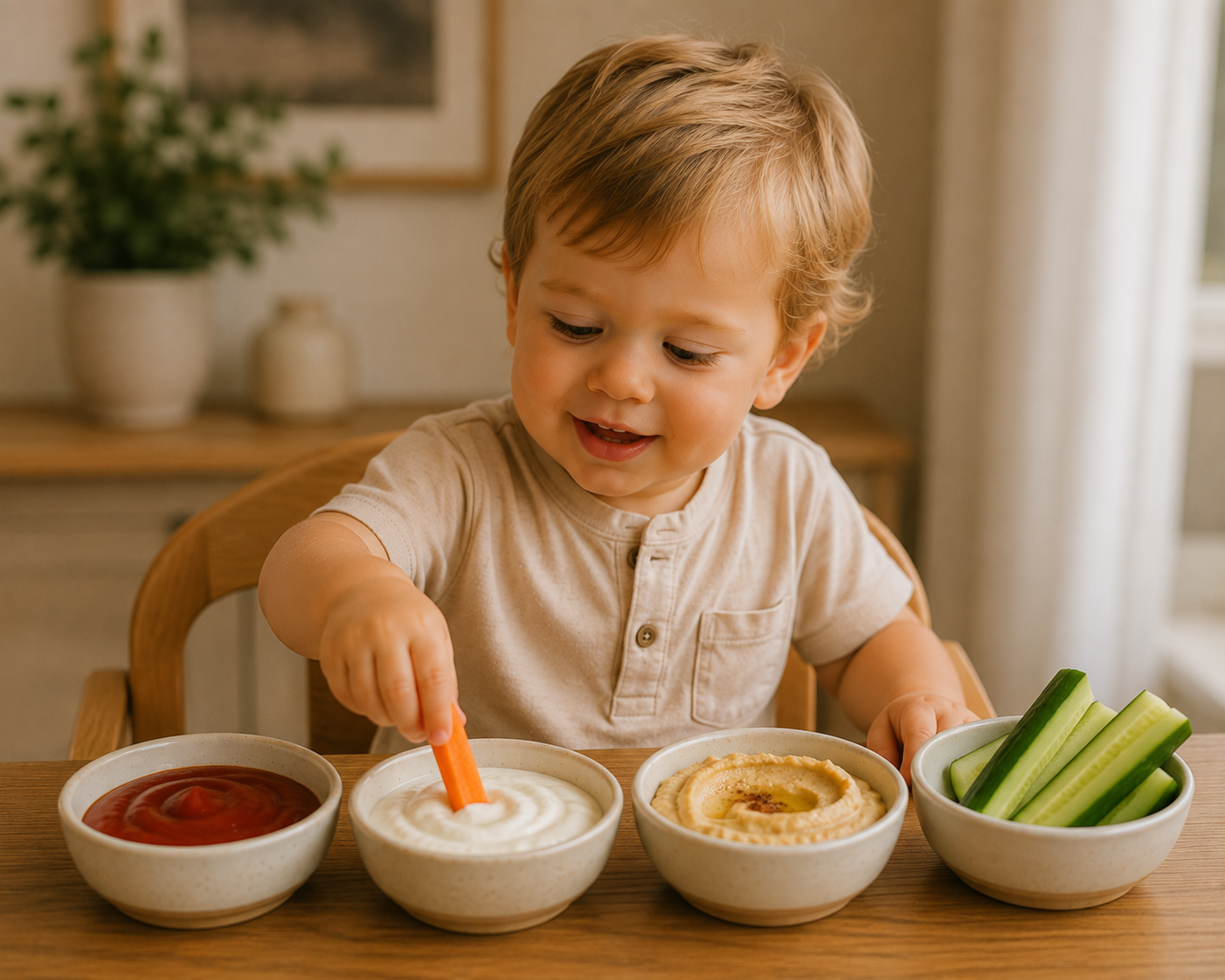
Try small amounts of:
Hummus
Guacamole
Greek yogurt-based dips
Ranch
Ketchup
Applesauce
Nut or seed butter, when age-appropriate and safely served
Whatever sauce your family is already eating
Put it into a tiny silicone dipping cup
And suddenly dinner is an activity.
9. Change the Presentation
Same food. Different presentation.
Toddlers can have surprisingly strong opinions about this.
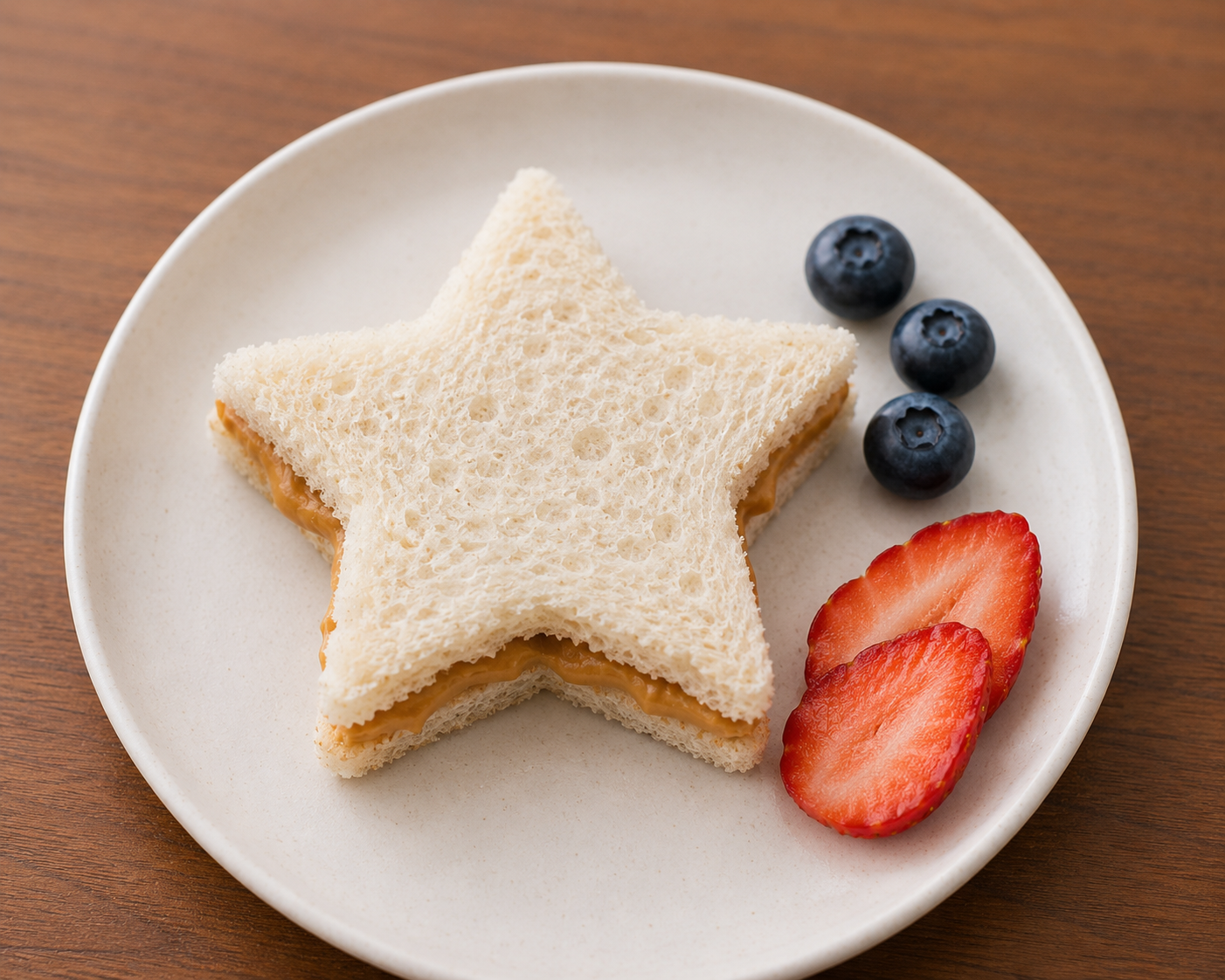
Instead of: Whole sandwich
Try: Tiny squares or a cookie-cutter shape (Here is a link to our favorite ones)
Instead of: Apple slices
Try: Very thin slices or small pieces
Instead of: Regular pancakes
Try: Silver-dollar pancakes
Instead of: Vegetables on the plate
Try: A mini "snack board" with several foods
Cookie cutters are especially useful for sandwiches, pancakes, quesadillas, melon, and other soft foods.
Mini food cutters → Here’s our fav
The AAP specifically suggests making food visually interesting with fun shapes and presentations. (HealthyChildren.org)
Apparently, a turkey sandwich tastes significantly better when shaped like a dinosaur. I don't make the rules.
10. Try the "Learning Plate"
Put a tiny plate next to your toddler's regular plate.
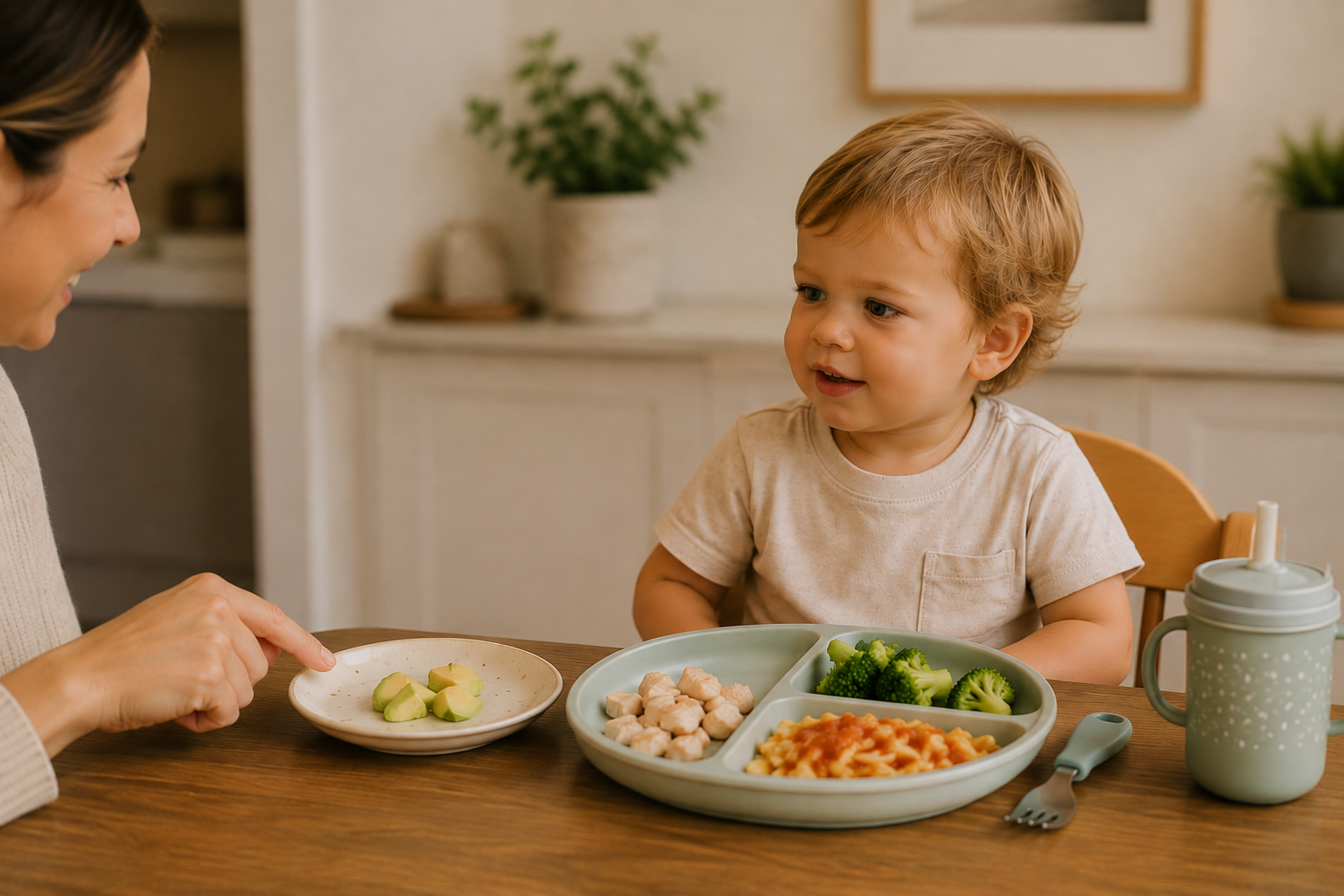
This is the learning plate.
Put one unfamiliar or currently rejected food on it.
They don't have to eat it.
You can simply talk about it.
"Is it crunchy or soft?"
"What color is it?"
"Can you smell it?"
"Can you touch it with your tongue?"
This takes the focus away from EAT THIS and turns the food into something they can explore.
The CDC recommends allowing children to explore foods through senses such as touch, smell, and taste. (CDC)
11. Don't Turn Dinner Into a Negotiation
This might be the hardest one.
"Just ONE bite."
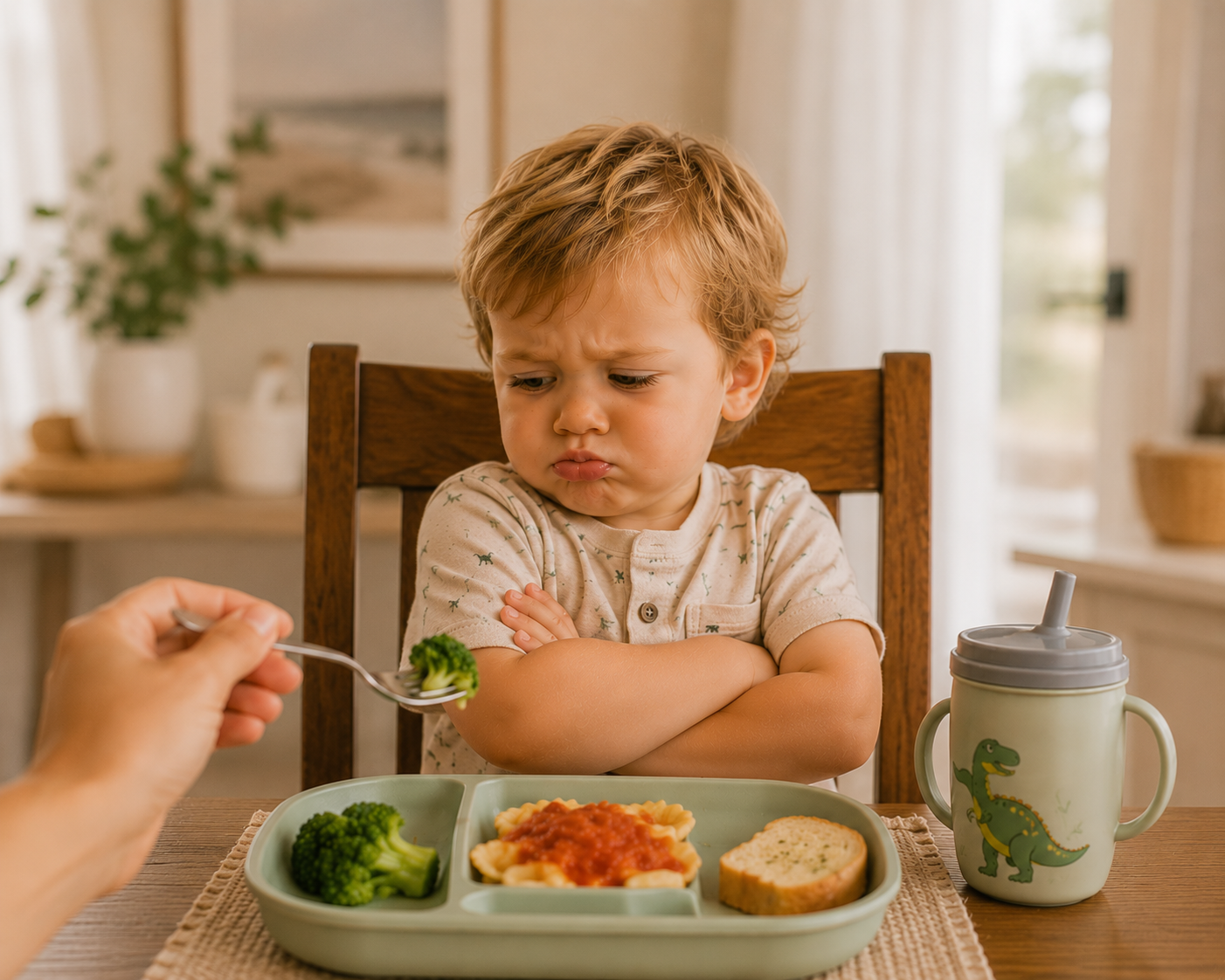
"If you eat your chicken, you can have dessert."
"Three more bites."
We've all been there.
But constantly pressuring or bribing a toddler to eat can turn dinner into a nightly power struggle. AAP guidance recommends avoiding pressure, punishment, and food-based bribery, and instead allowing children to decide whether and how much to eat from what's offered. (HealthyChildren.org)
Your job is essentially:
You decide what food is offered and when.
They decide whether to eat and how much.
Some nights they'll eat more than you.
Other nights they'll eat one raspberry and declare themselves finished.
Toddler math.
12. Look at What They Eat Over Time
It's easy to panic when dinner consists of two bites of bread and a strawberry.
But toddlers don't necessarily eat the same amount at every meal—or even every day.
AAP guidance notes that toddlers' calorie intake can vary from meal to meal while balancing out more across the day. (AAP)
Instead of obsessing over one dinner, zoom out.
What did they eat for breakfast?
Lunch?
Snacks?
Yesterday?
Over several days, you may realize they're eating more variety than it feels like when you're staring at an untouched dinner plate.
13. Keep Screens Away From the Table When You Can
It is VERY tempting to put on a show because suddenly your toddler will sit still long enough to eat.
But ideally, meals should give toddlers a chance to notice their hunger and fullness cues and interact with the family.
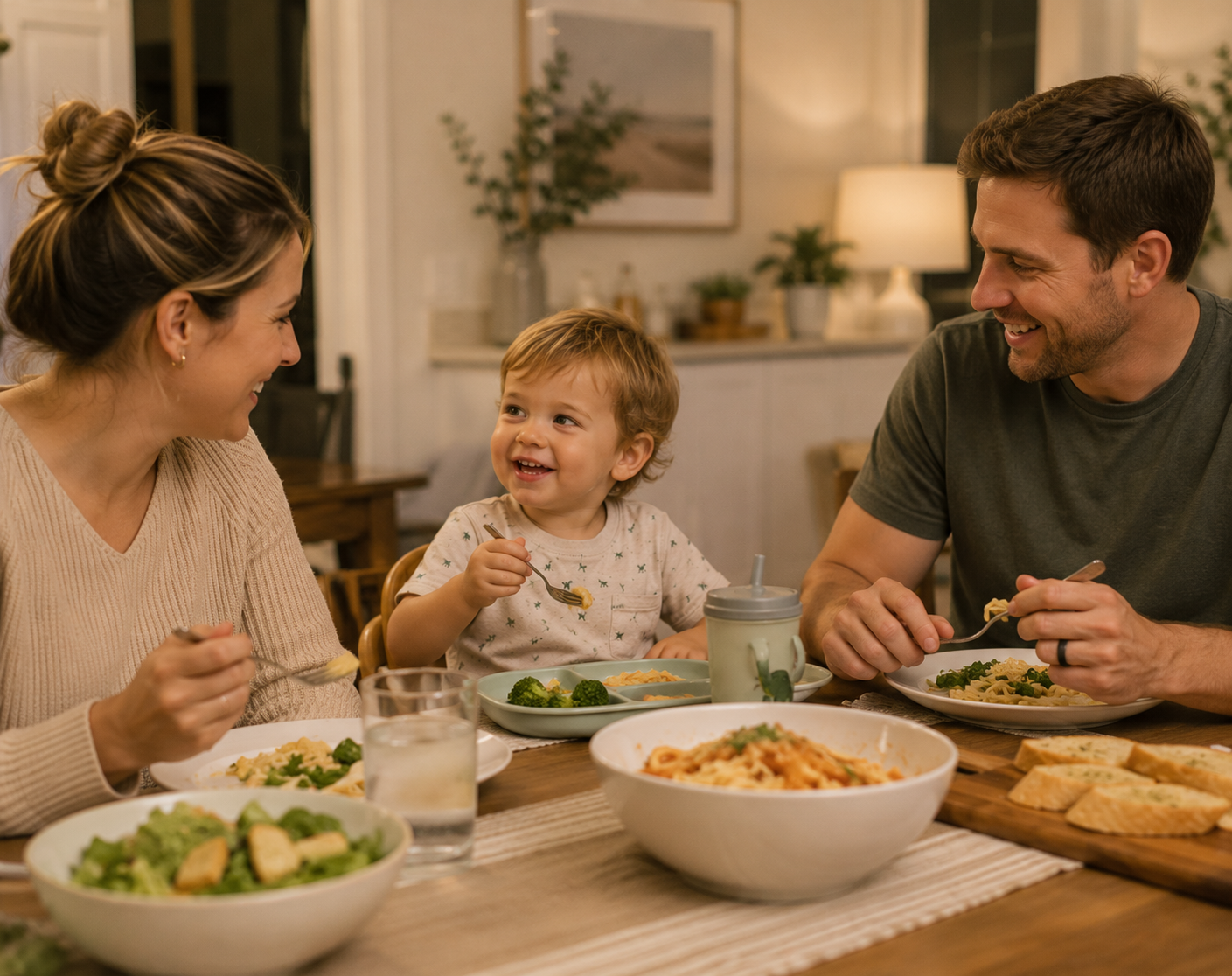
The CDC recommends limiting distractions like TVs, phones, and videos during meals and letting children decide how much they want to eat. (CDC)
Instead, make the meal itself entertaining:
Talk.
Be silly.
Let them use their ridiculous dinosaur fork.
Ask which food is crunchiest.
Have Teddy Bear take a bite.
Dinner doesn't need to be silent to be successful.
14. Have a Few "Emergency Meals"
There will be nights when you simply do not have it in you.
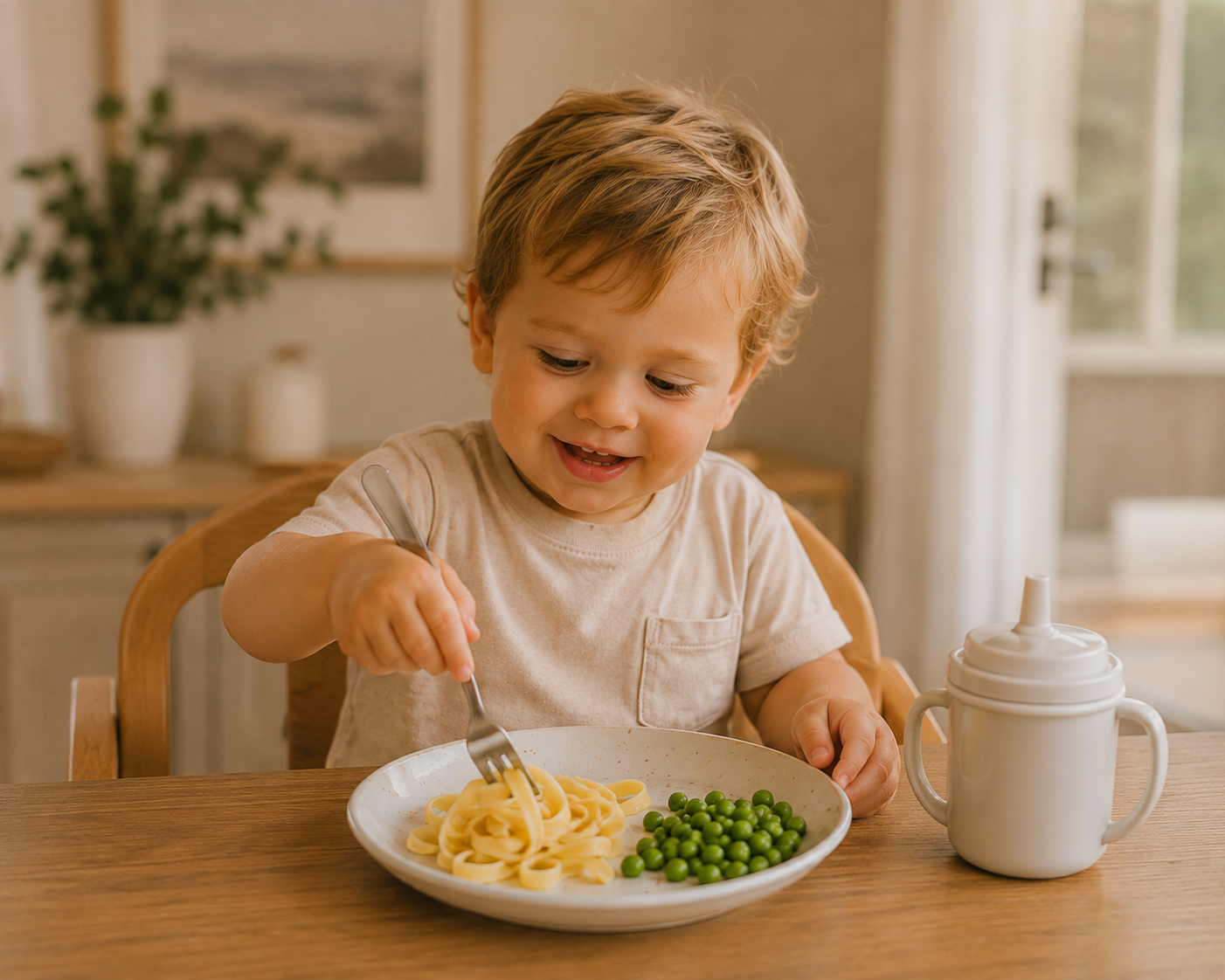
Keep a few easy foods around that require almost zero effort:
Eggs + toast + fruit
Yogurt + fruit + toast
Quesadilla + avocado
Pasta + peas
Rotisserie chicken + fruit + bread
Hummus + pita + cucumber
Peanut butter toast + banana
Snack plate with cheese, fruit, crackers, and another protein
Toddler dinner doesn't have to look Pinterest-worthy.
Sometimes the goal is simply:
Everyone ate something and nobody cried.
Including you.
The Biggest Thing to Remember
Your toddler refusing dinner doesn't necessarily mean you're doing something wrong.
Picky eating is extremely common during the toddler and preschool years. (HealthyChildren.org)
Keep offering variety.
Keep portions small.
Keep familiar foods in the rotation.
Let them explore.
Make eating fun when you can.
And try not to let one rejected dinner convince you that your toddler will survive exclusively on crackers until college.
Tomorrow they may randomly eat the broccoli they've rejected for the last six months.
And naturally, you will buy more broccoli.
At which point they will never eat it again.
Because toddlers.
This post is for general informational purposes and isn't a substitute for medical advice. If your child is losing weight, has difficulty chewing or swallowing, regularly coughs or chokes while eating, has an extremely limited range of accepted foods, or you're concerned about their growth or nutrition, talk with your pediatrician.
Affiliate disclosure: This post may contain affiliate links. If you purchase through one of these links, I may earn a small commission at no additional cost to you. I only recommend products I genuinely think can make life with toddlers a little easier.