The Best Open-Ended Toys for a Toddler Playroom
This post contains affiliate links. As an Amazon Associate I earn from qualifying purchases. If you make a purchase through one of these links, I may earn a small commission at no additional cost to you.
If you've ever watched your toddler ignore the expensive, light-up, singing toy you carefully researched and instead spend 25 minutes putting random objects into a cardboard box, congratulations—you've discovered open-ended play.
Some of the best toys in our playroom don't talk, flash, sing, count to ten, or loudly announce that it's time to learn our colors.
They don't actually do much of anything.
And that's exactly the point.
Open-ended toys let toddlers decide what they're going to do with them. A block can be a tower, a road, a bed for an animal, or apparently something that absolutely must be carried into the grocery store.
These are the toys I love keeping in our playroom because they can grow with your child, work for dozens of different activities, and—most importantly—actually get played with.
This post contains affiliate links, which means I may earn a small commission if you purchase through one of my links, at no additional cost to you.
What Is an Open-Ended Toy?
Open-ended toys are toys that don't have one specific way to play with them.
Think blocks versus a toy where you push one button and it makes one sound.
With open-ended toys, your toddler gets to decide what happens next.
They can build, stack, sort, pretend, create, destroy, rebuild, transport, combine and—because they're toddlers—occasionally just dump everything dramatically onto the floor.
That flexibility is exactly why these toys tend to have such a long lifespan in a playroom.
Here are the open-ended toys I'd start with.
1. Magnetic Tiles
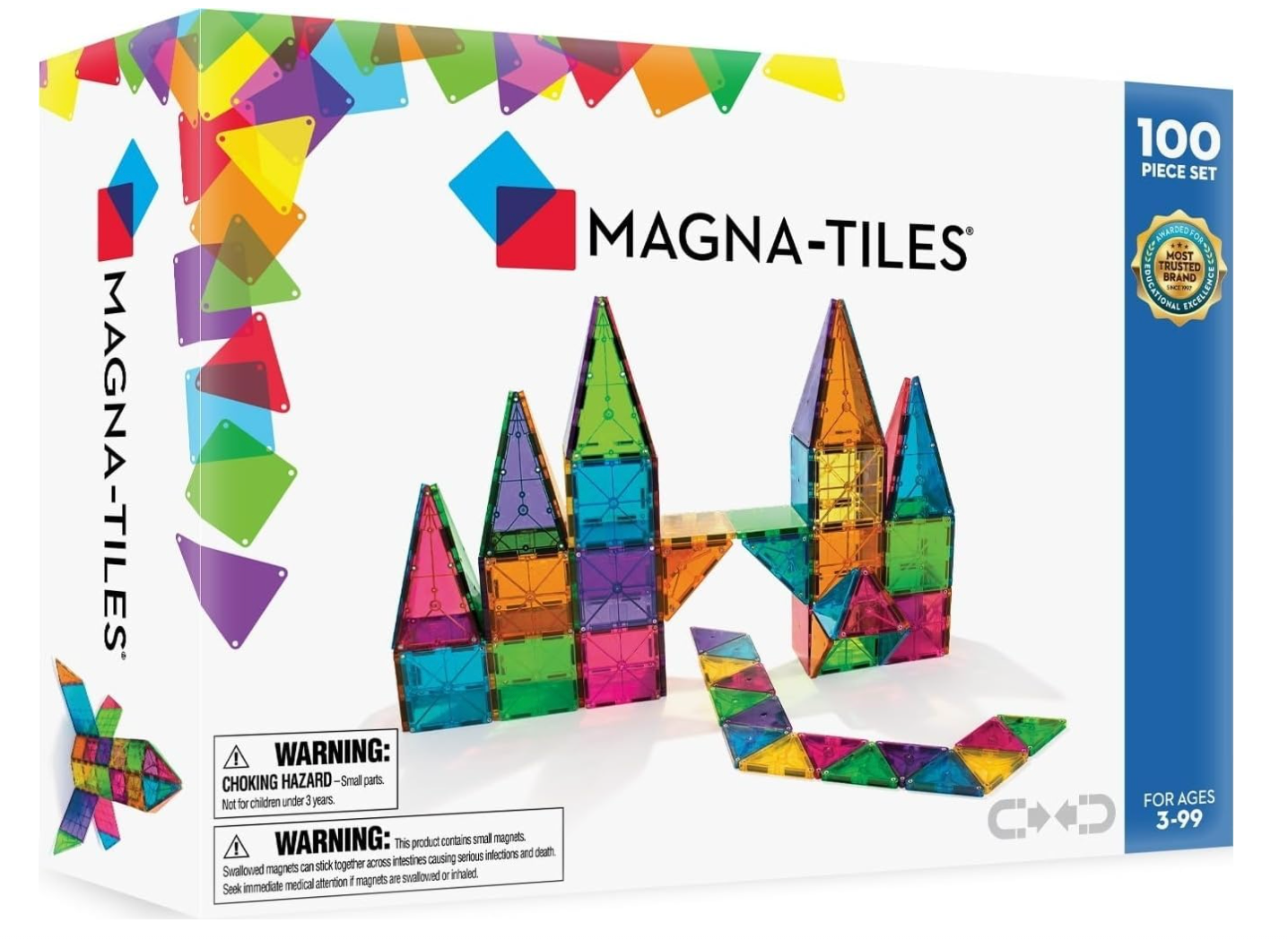
If I could only choose a handful of toys for our playroom, magnetic tiles would absolutely make the list.
Toddlers can start by simply connecting and stacking them. As they get older, suddenly they're building houses, garages, castles, roads and increasingly elaborate structures that you're absolutely forbidden from touching.
They're also incredibly easy to combine with toys you already own.
Add cars and you've got a garage.
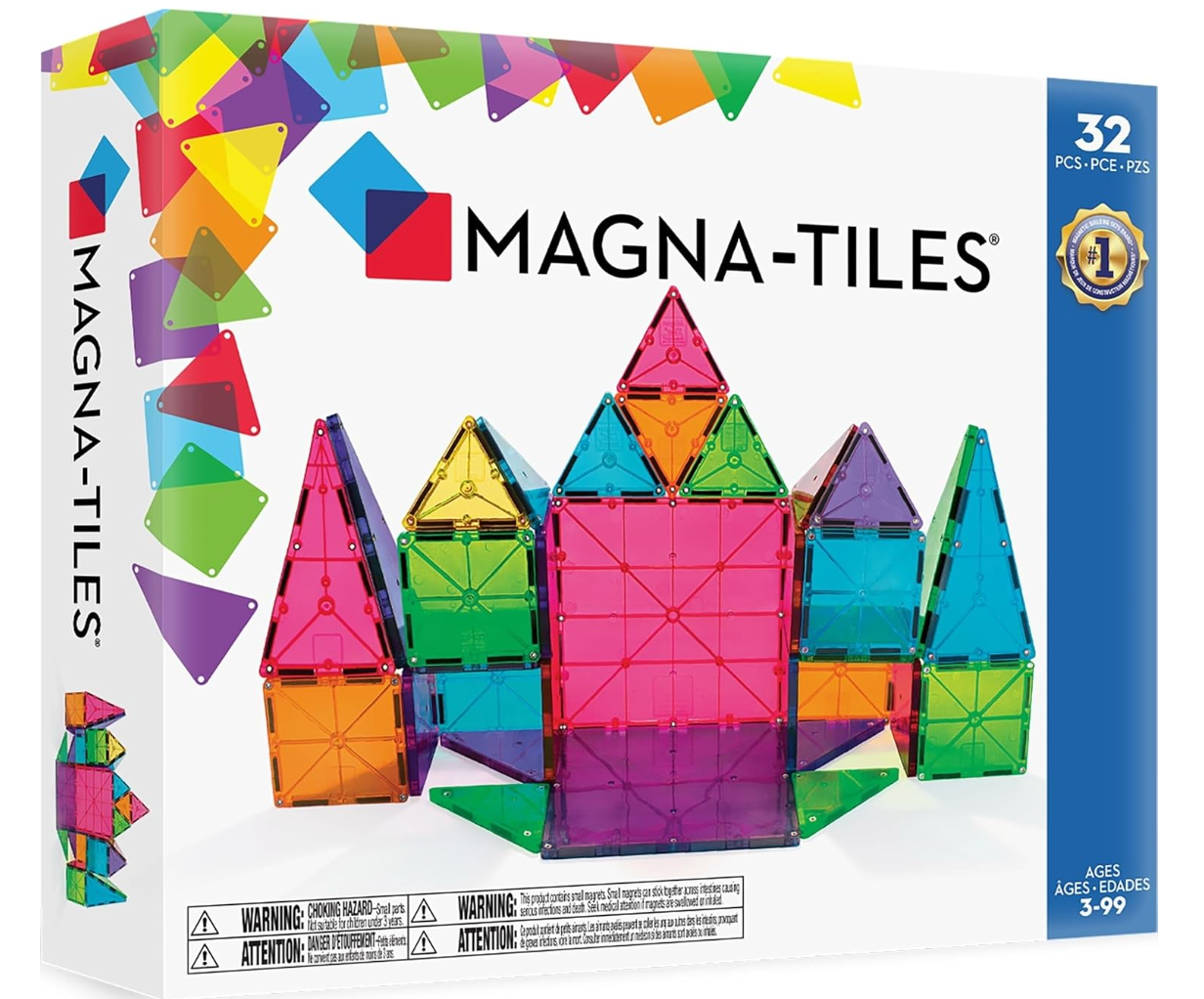
Add animals and you've got a zoo.
Add little people and you've got a house.
I recommend investing in the larger kit now!
2. Wooden Blocks
There's a reason blocks have survived generations of increasingly complicated children's toys.
They're simple. And toddlers love them.
Build a tower.
Knock it down.
Build another tower.
Knock that one down.
Repeat approximately 600 times.
As kids get older, blocks become houses, roads, bridges, stores and whatever else they can imagine.
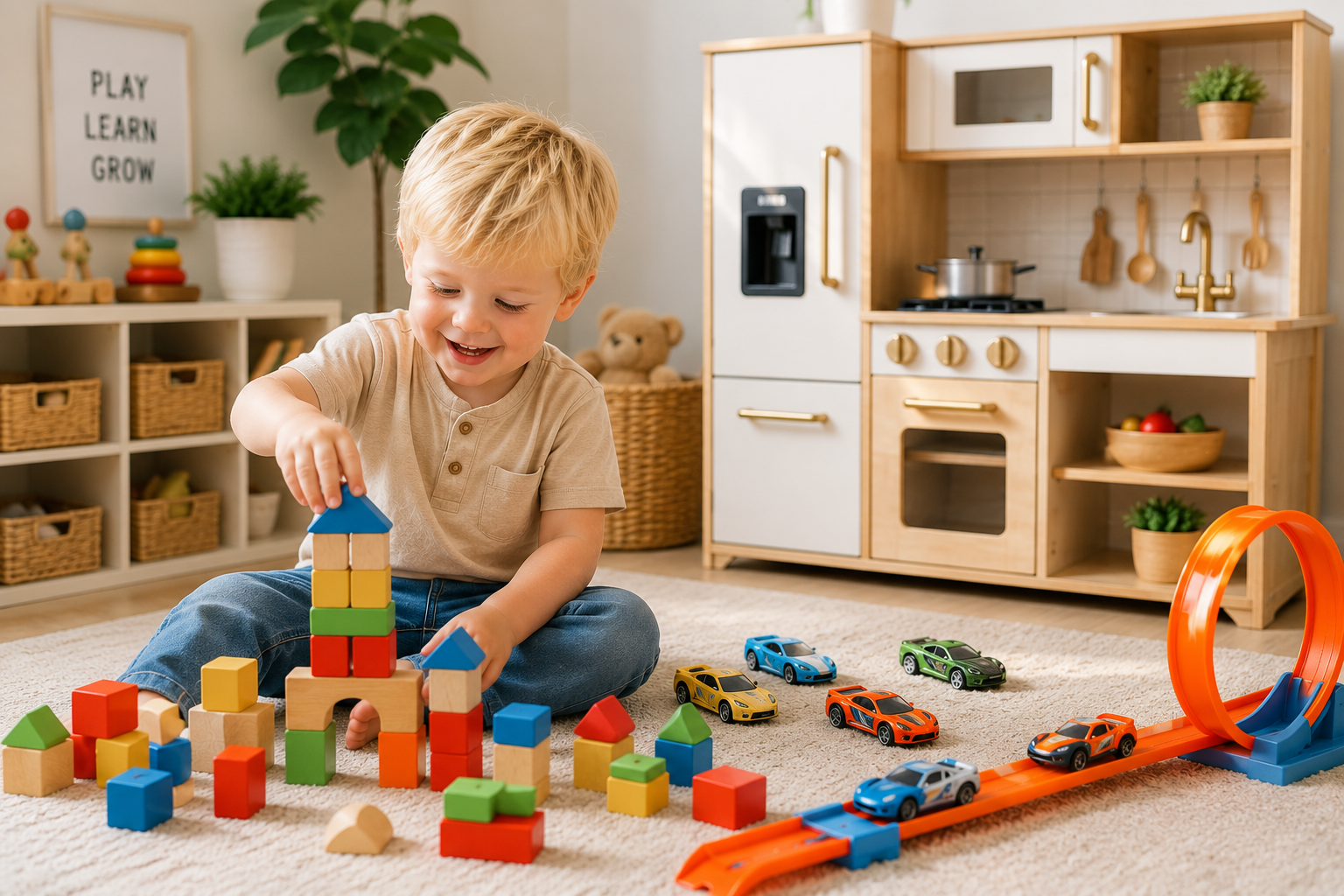
If you're building a playroom from scratch, a good set of blocks is one of the first things I'd buy.
OUR FAVORITE BLOCK SET:
Melissa and Doug 100 Piece Set
I especially like sets that include different shapes and sizes so there's more room for creative building.
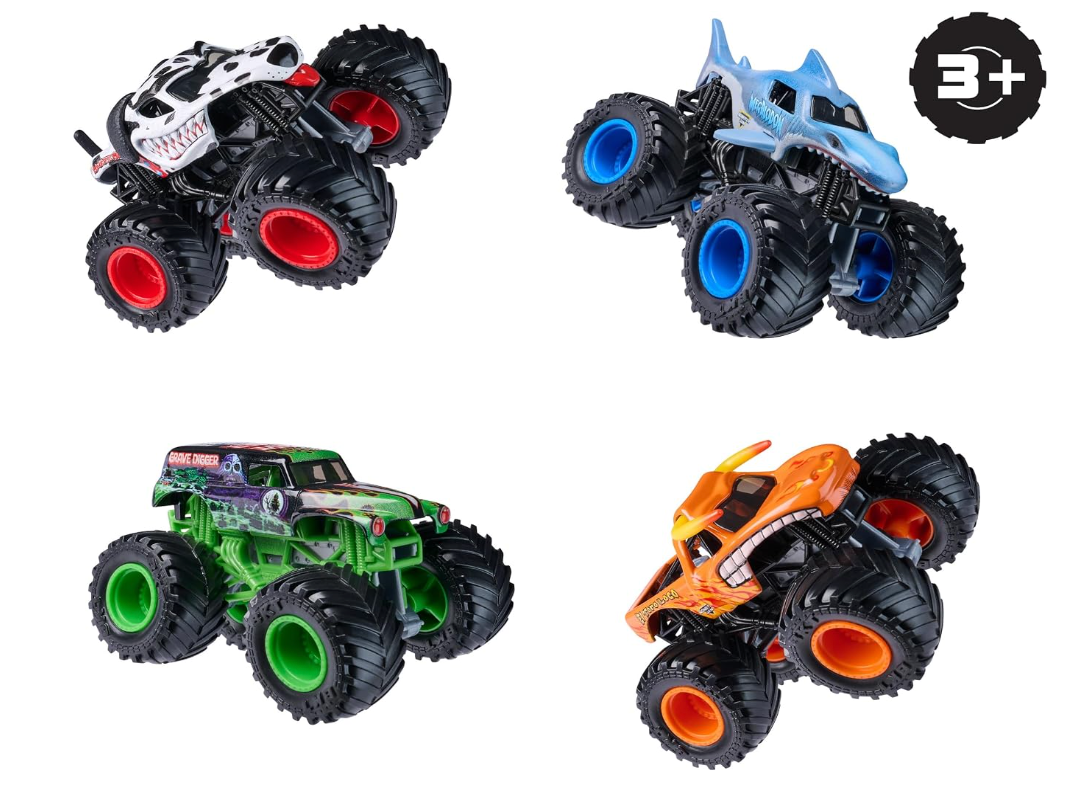
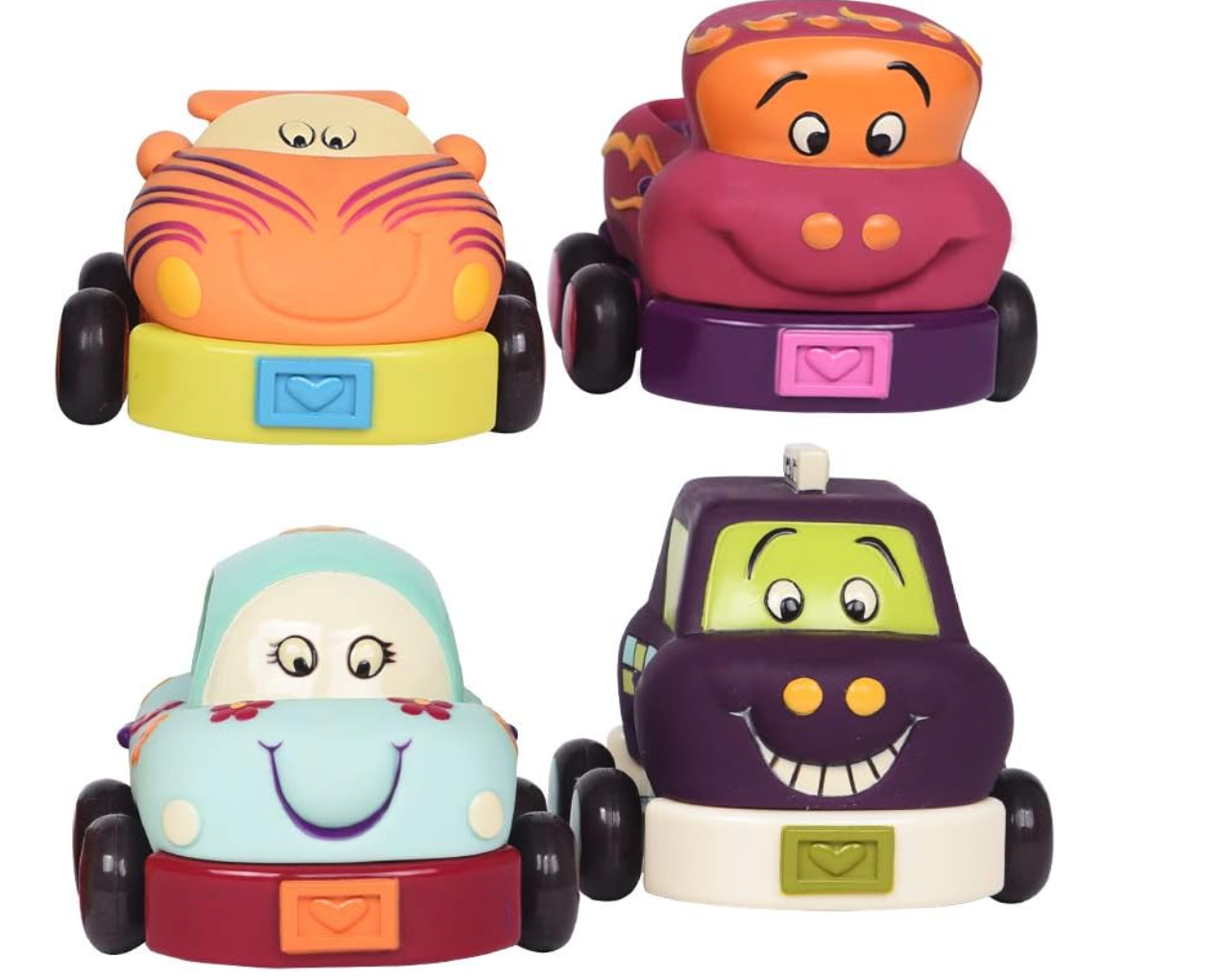
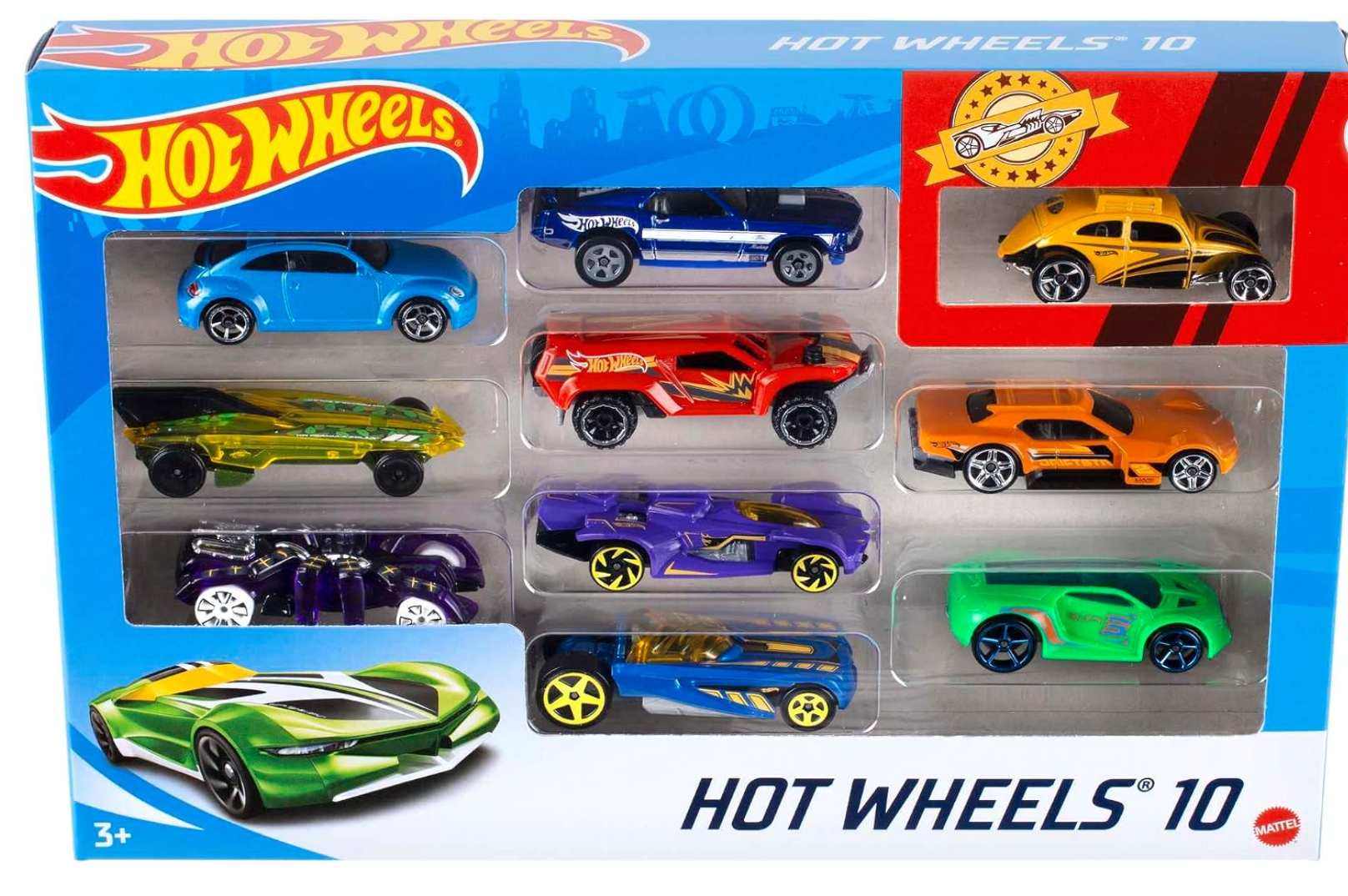
3. Cars
You don't need an enormous collection of elaborate tracks and electronic garages to make cars entertaining.
A small basket of simple cars of all sizes can provide an incredible amount of play.
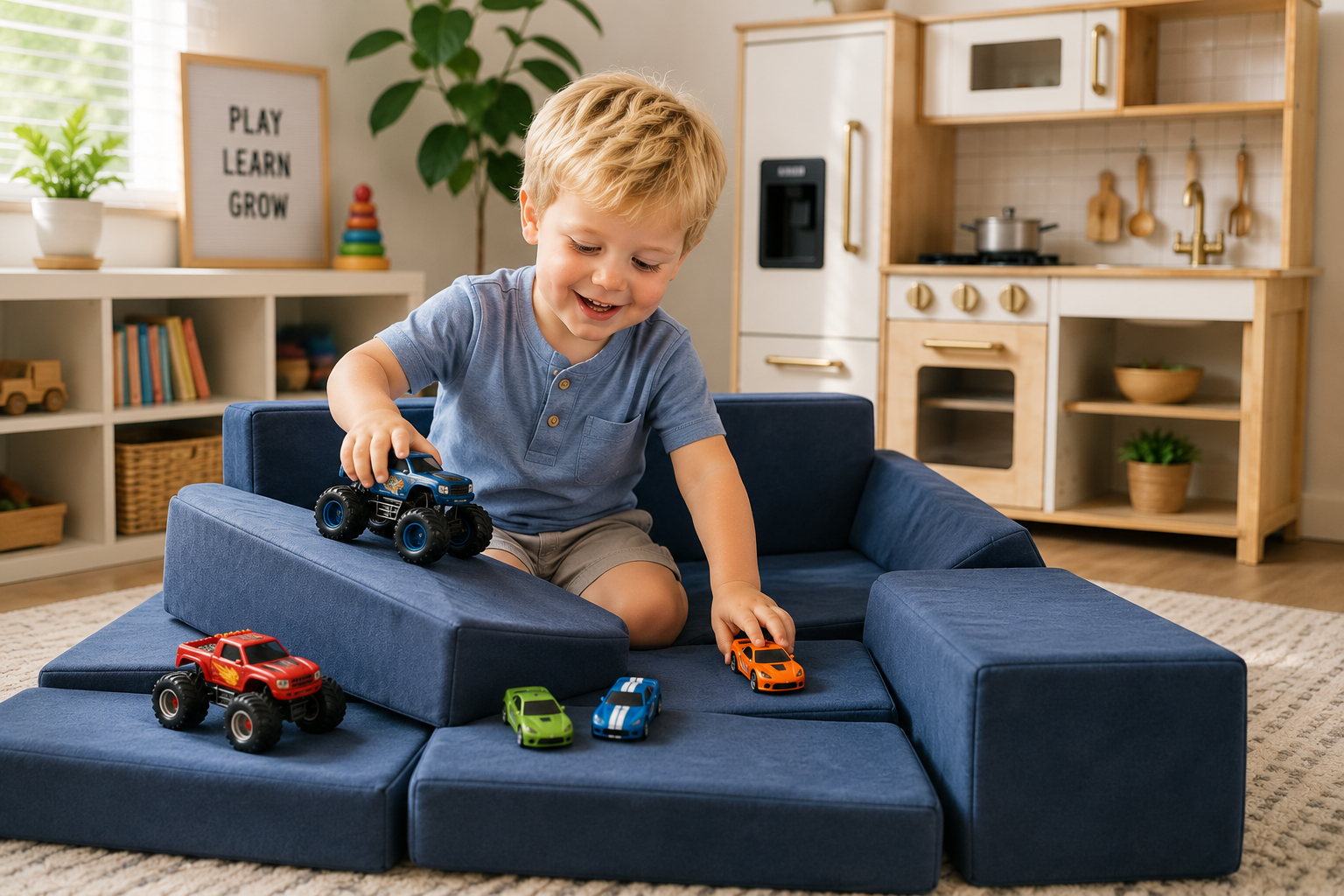
They can drive over the couch.
Through magnetic-tile tunnels.
Down cardboard ramps.
Across painter's-tape roads.
Into the kitchen.
Under the refrigerator.
Never to be seen again.
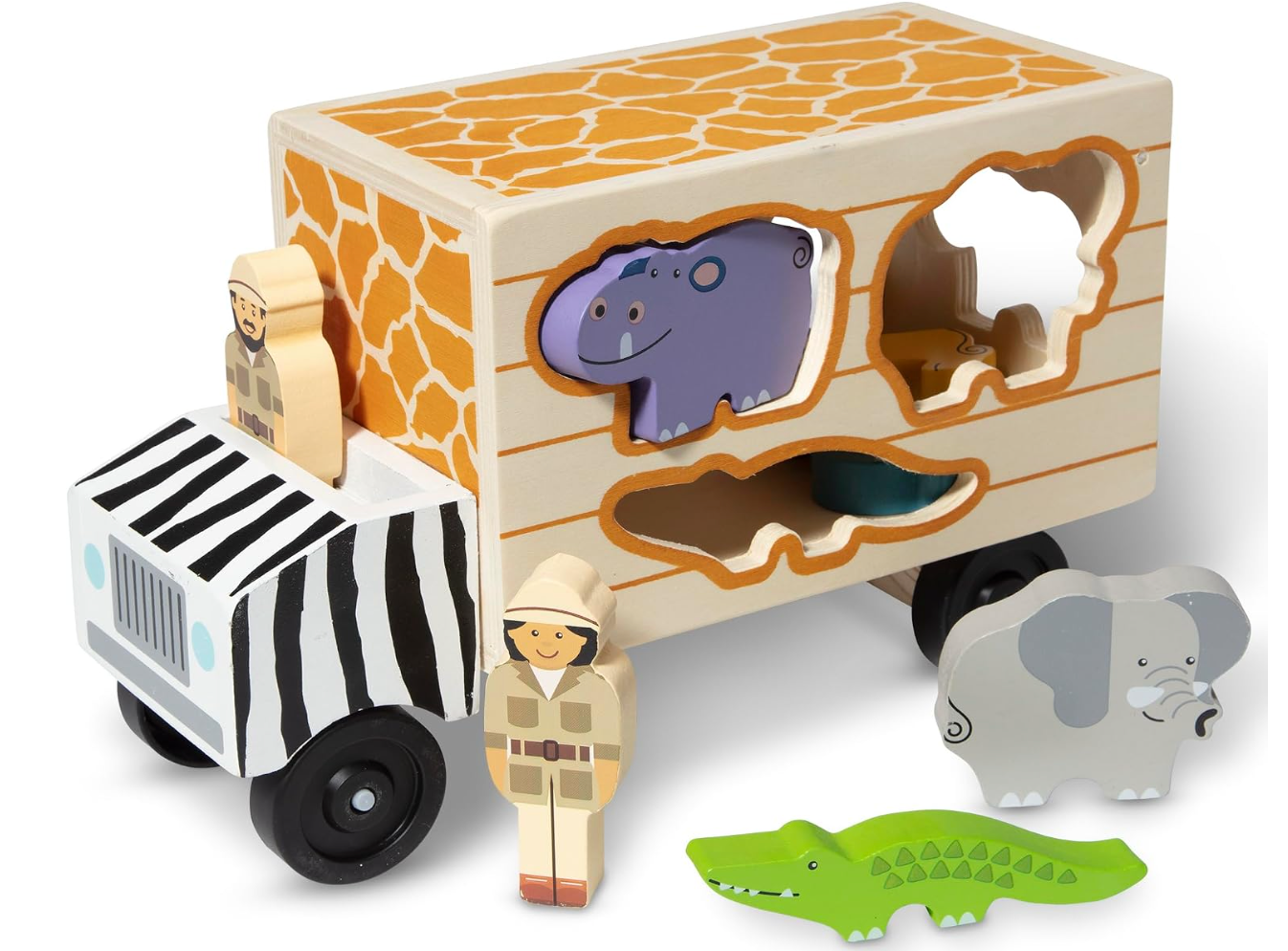
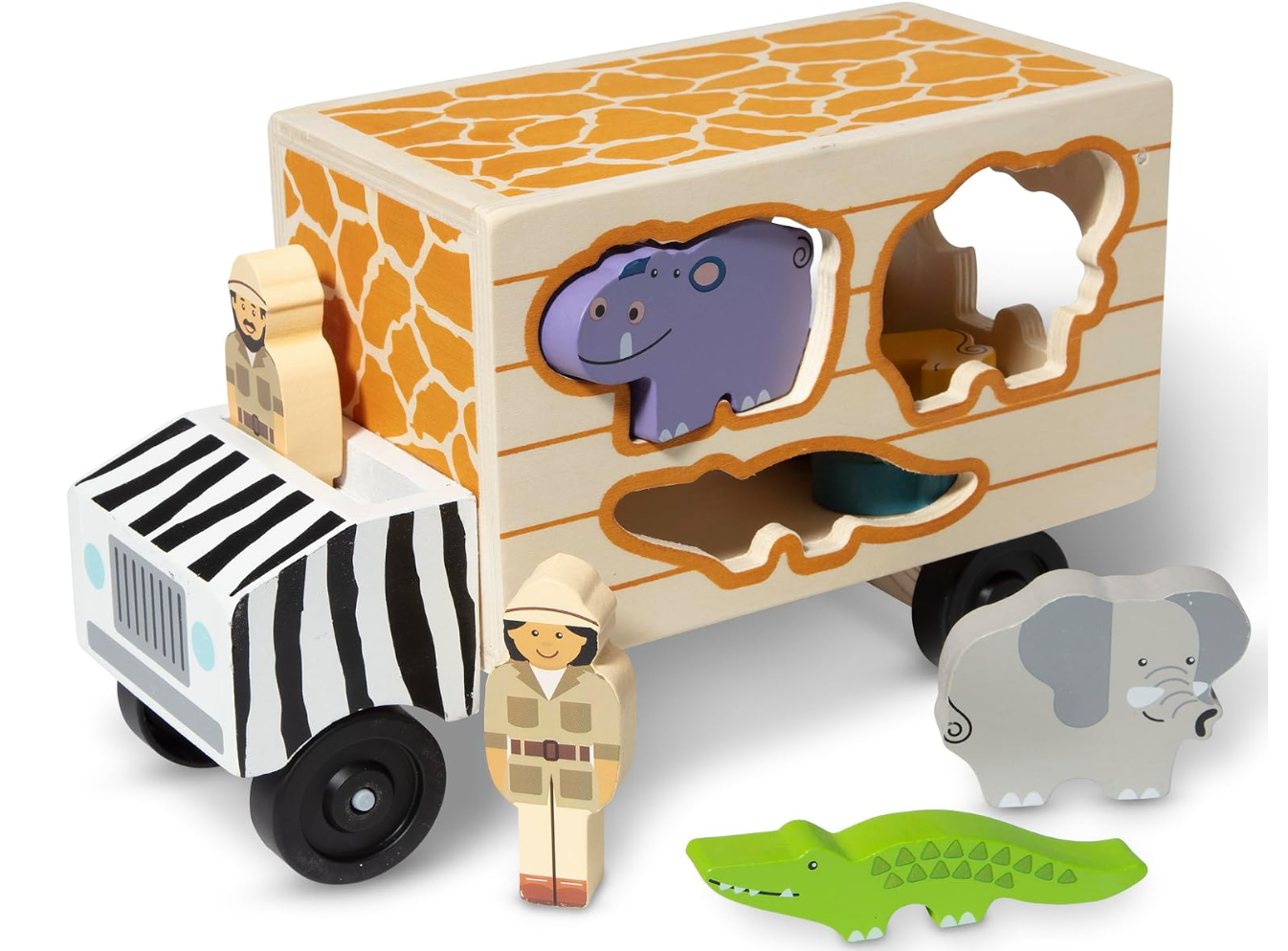
Cars are also one of my favorite toys to pair with other open-ended toys because suddenly whatever your toddler built has a purpose. Toddlers love putting things inside of bigger cars or trucks. Our toddler loves using the Safari Truck to carry not only the animals but his Hot Wheels as well.
OUR FAVORITE TODDLER CARS:
4. Animal Figures
A basket of animals is one of the easiest ways to encourage pretend play.
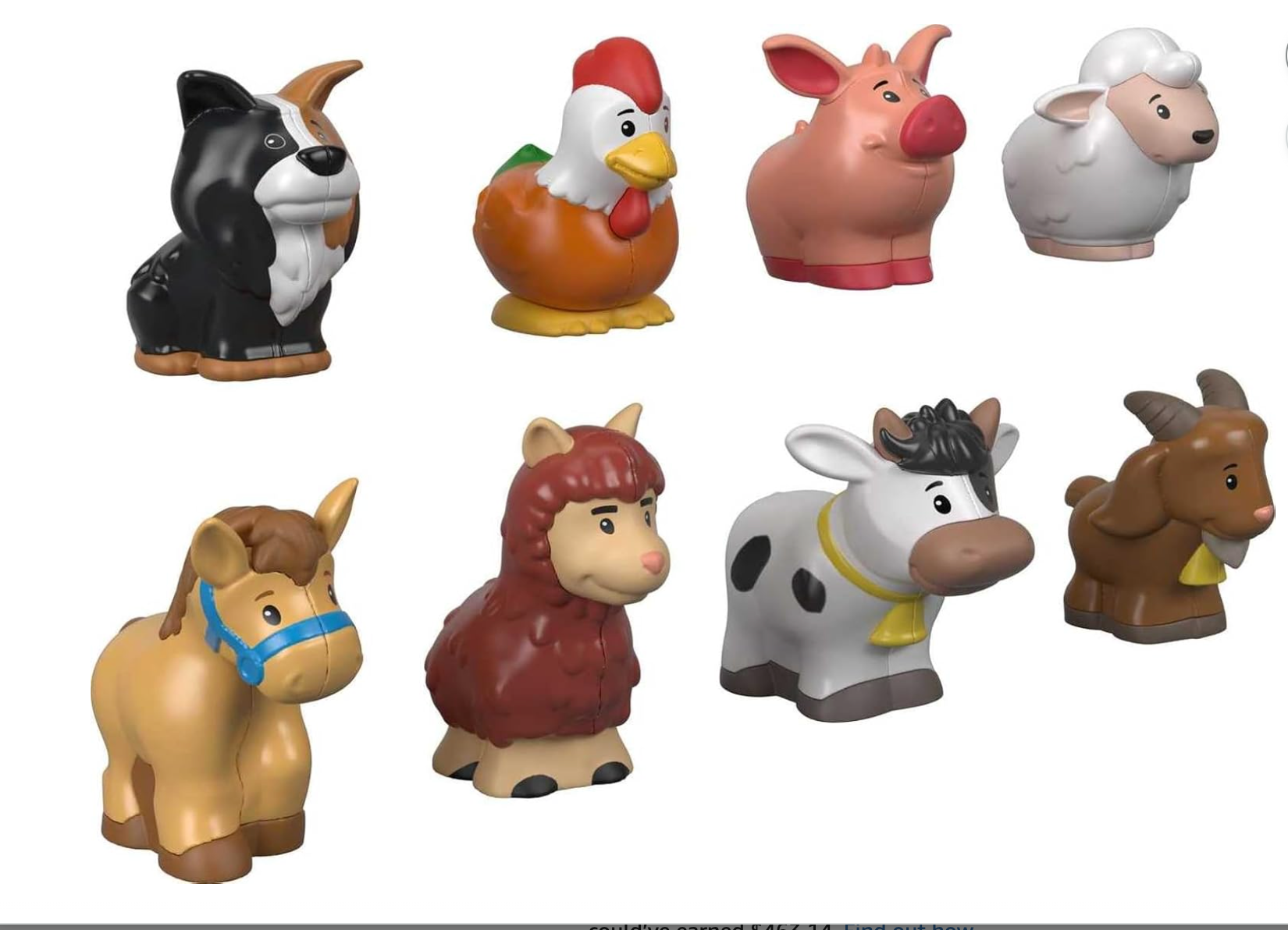
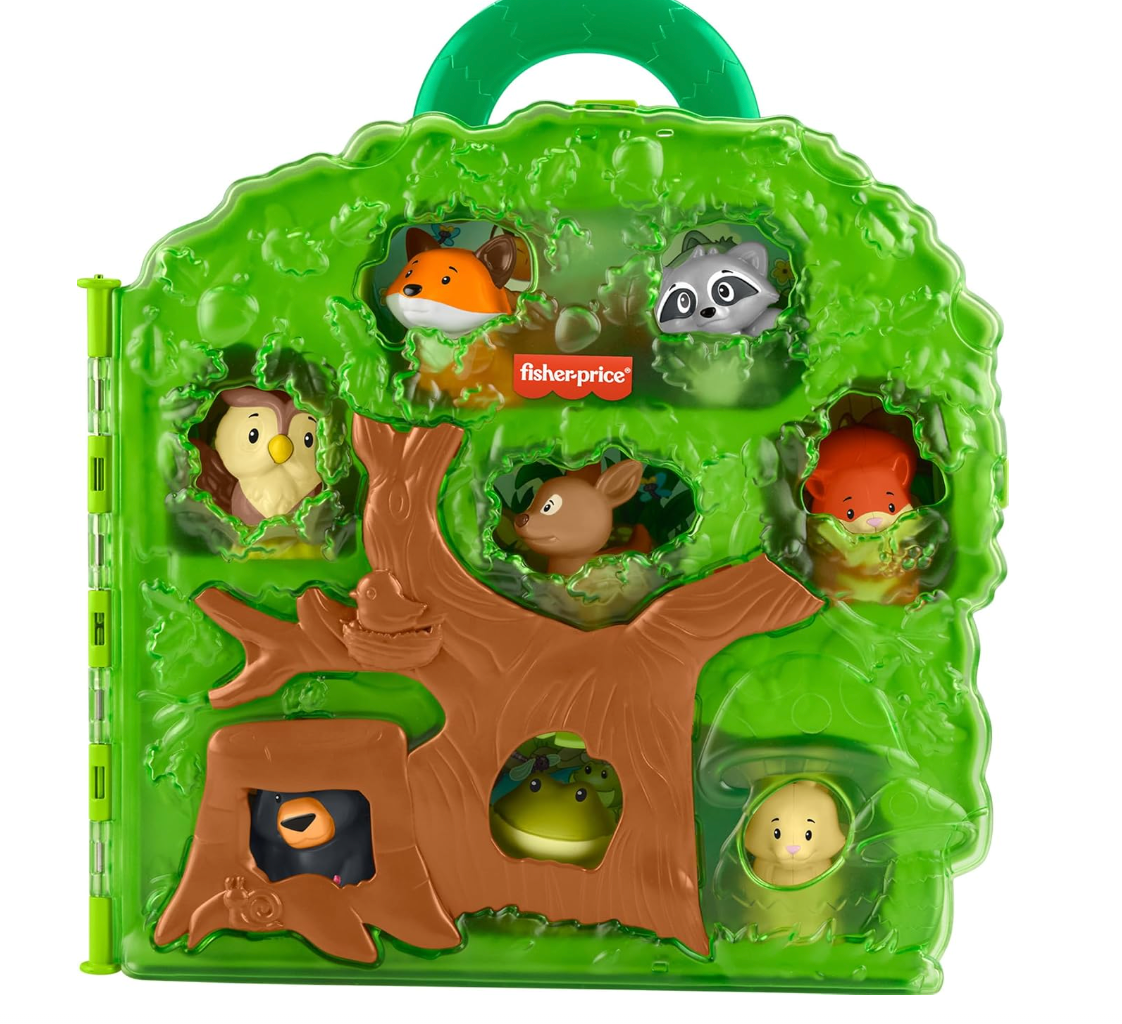
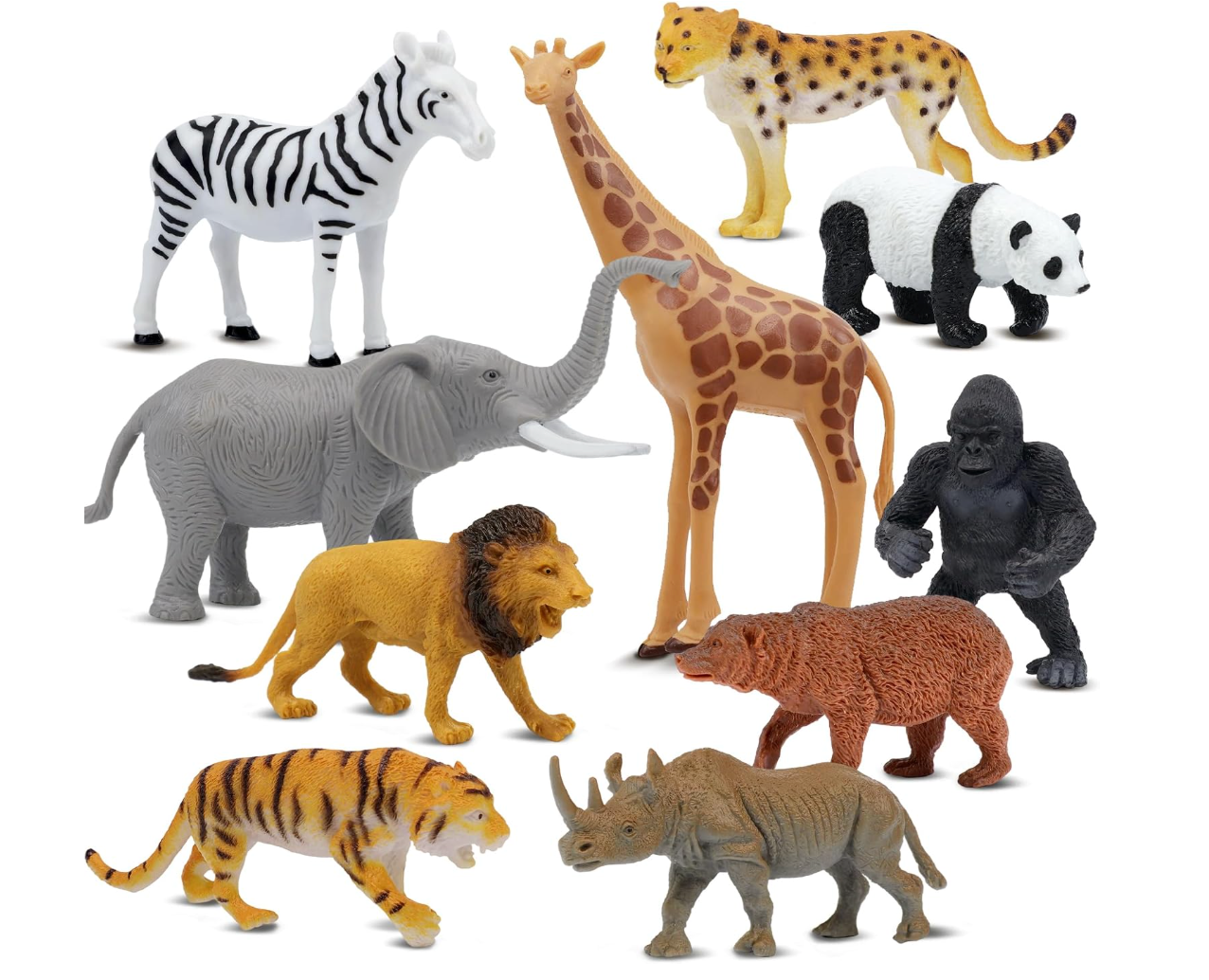
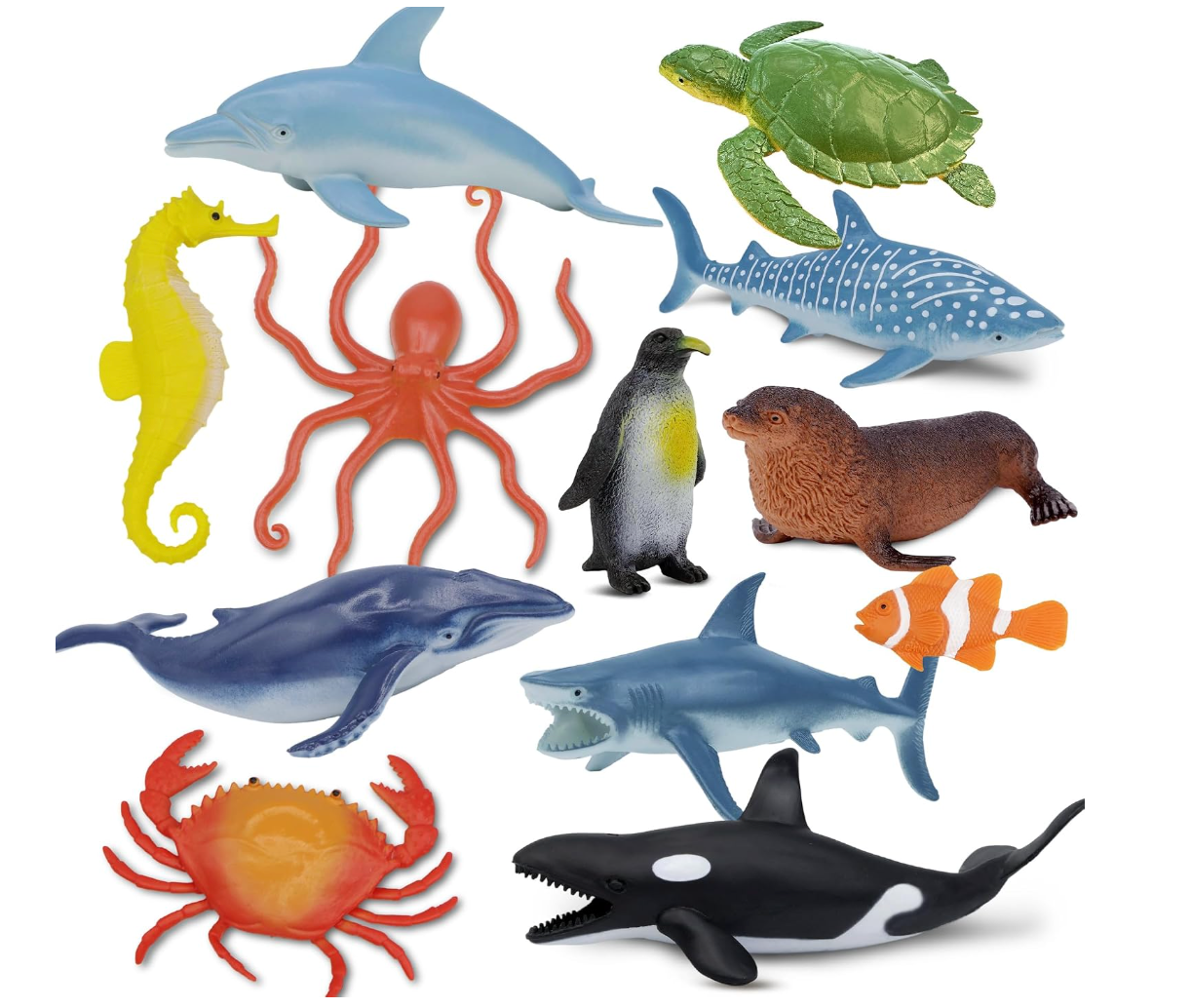
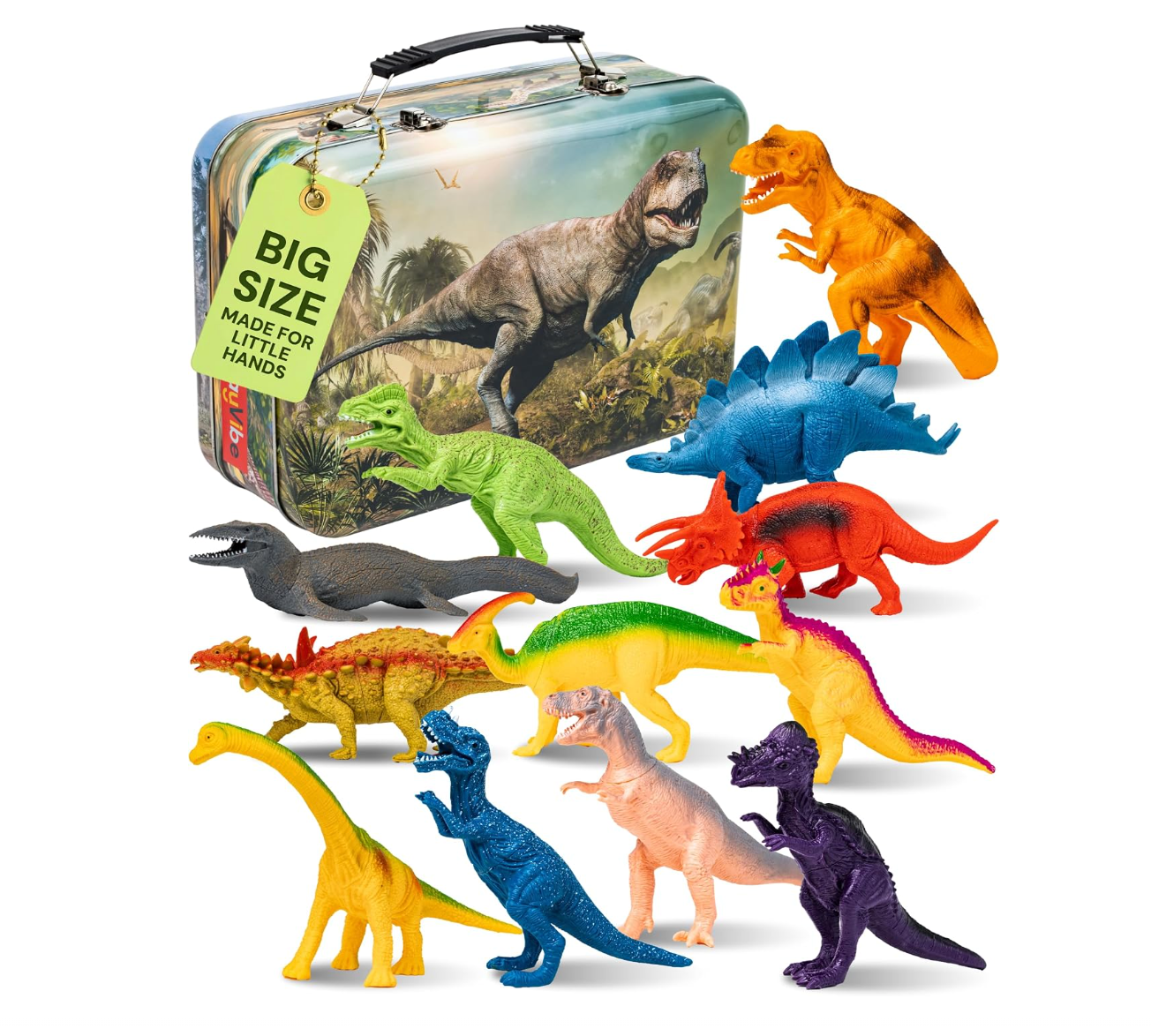
Farm animals, dinosaurs, safari animals, ocean animals—pick whatever your toddler is interested in.
You can use them with blocks, magnetic tiles, sensory bins, Play-Doh or even take them outside.
We've learned that apparently animals can live anywhere.
A lion in a magnetic-tile house?
Sure.
A cow driving a car?
Absolutely.
A dinosaur eating lunch at the play kitchen?
I don't make the rules.
Most of our animals and people are from different Fisher-Price Little People sets or other toys that came with figures (like Little Farm the Safari Truck).
5. Play Food & a Play Kitchen
A play kitchen is one of those larger toys that can actually earn its footprint.
Toddlers love imitating what they see adults doing, which means preparing imaginary coffee and handing you a wooden lemon for breakfast can become an entire morning activity.
You also don't necessarily need an enormous kitchen setup. A basket of play food, dishes and a few cooking utensils can create plenty of pretend play on its own.
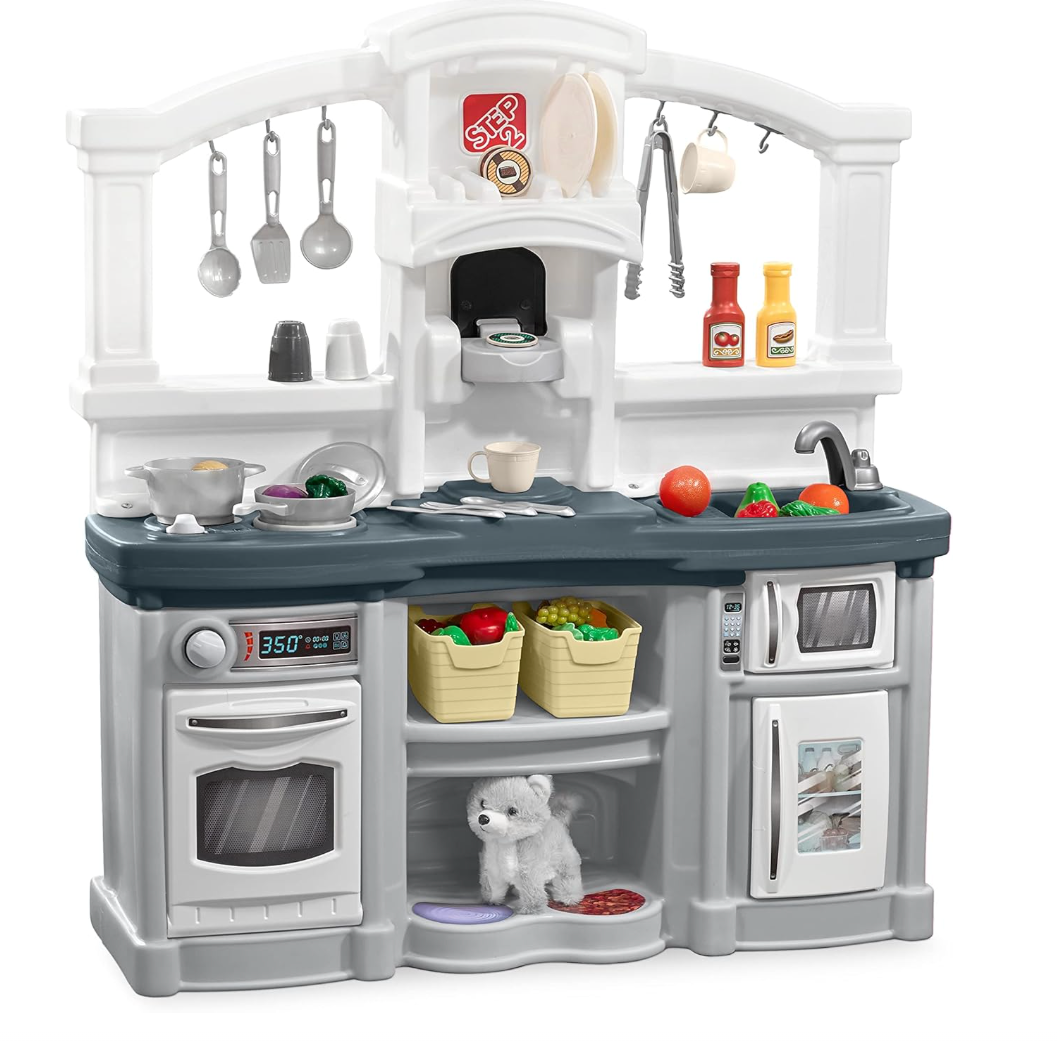
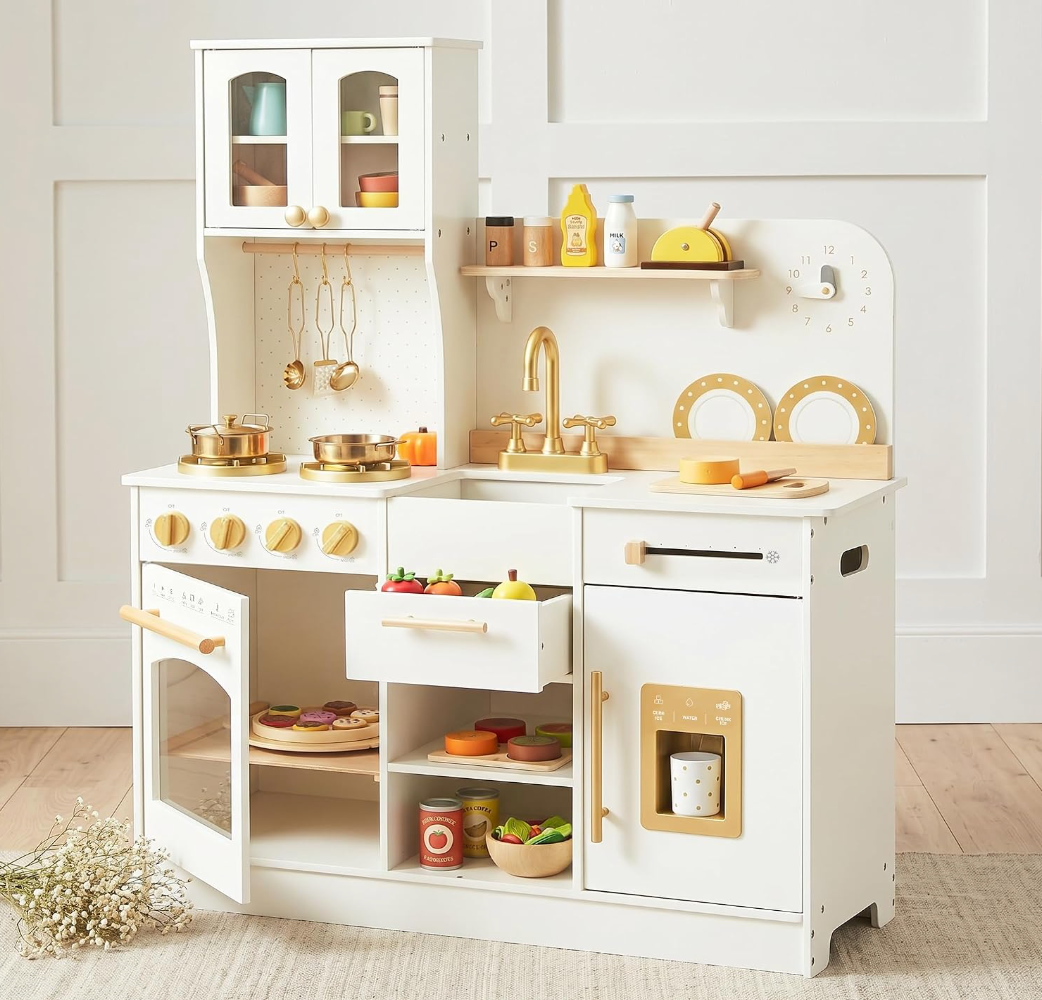
OUR PLAY KITCHENS:
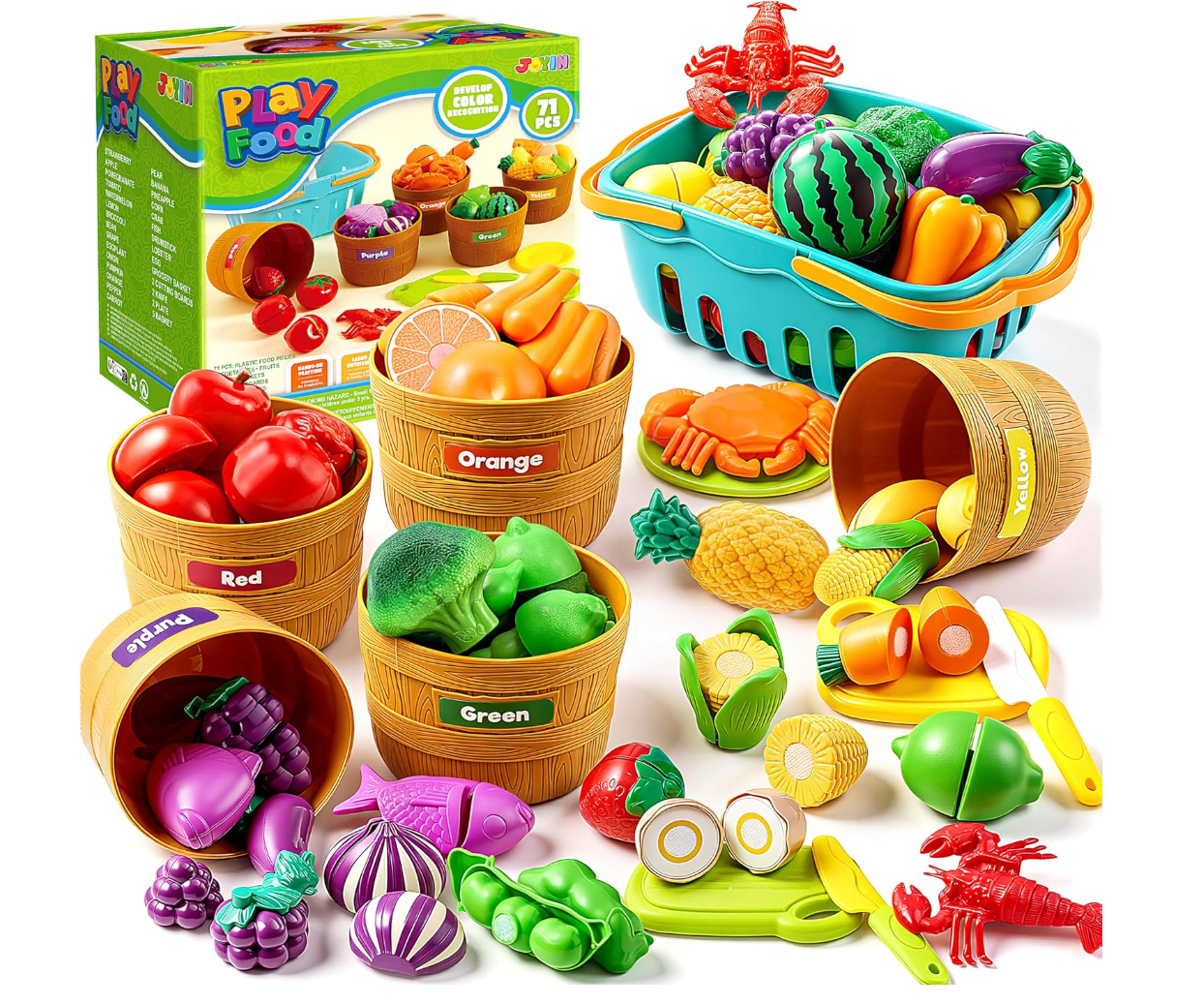
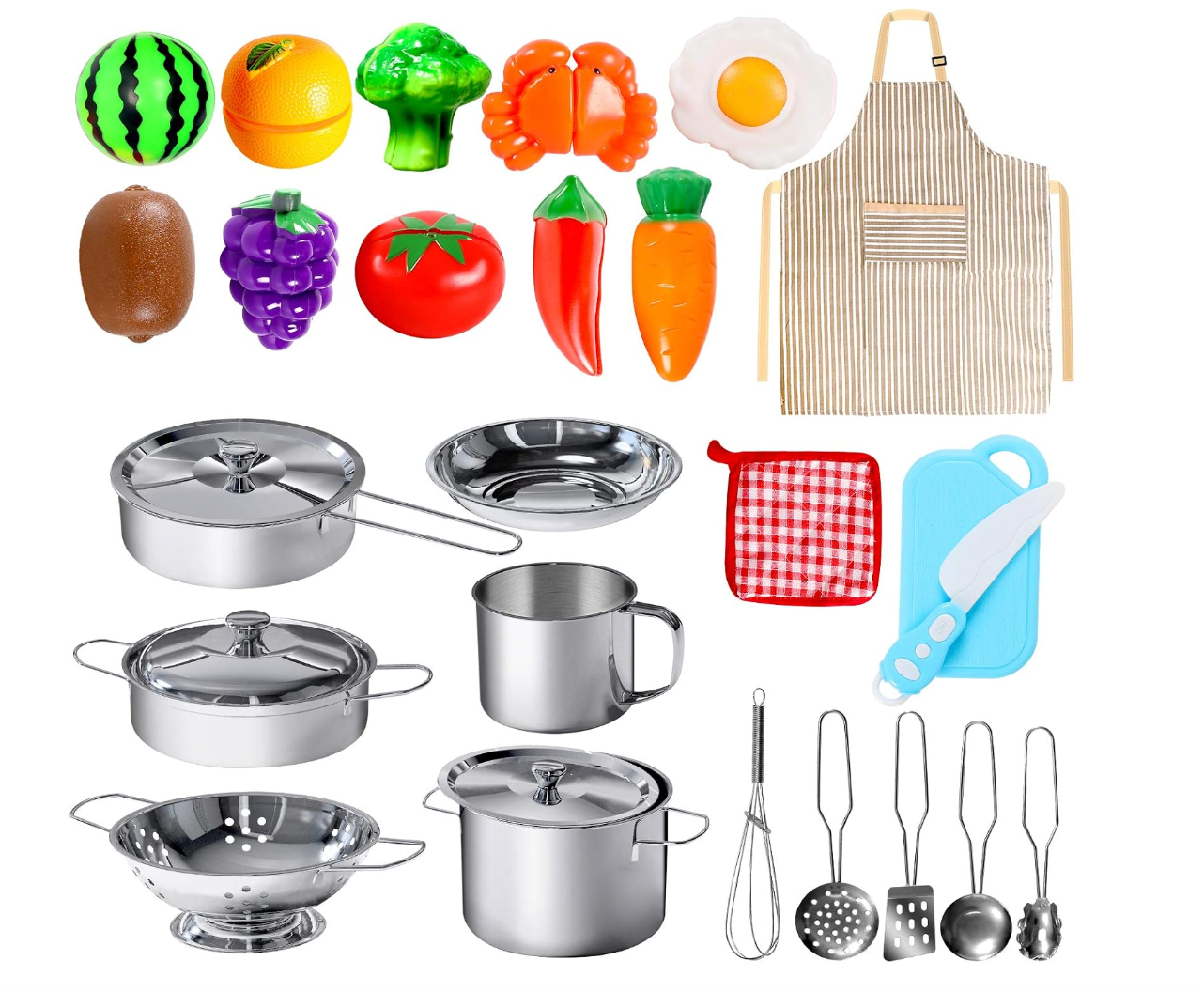
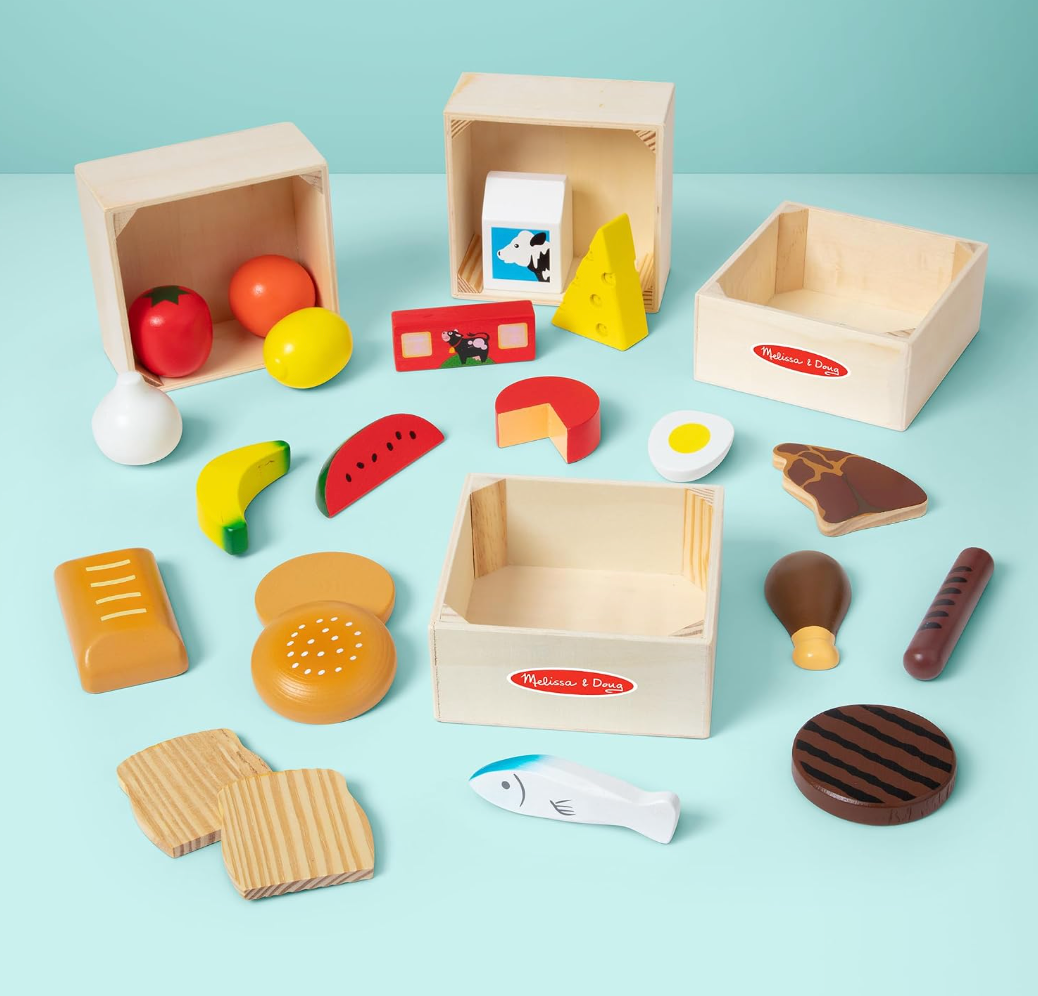
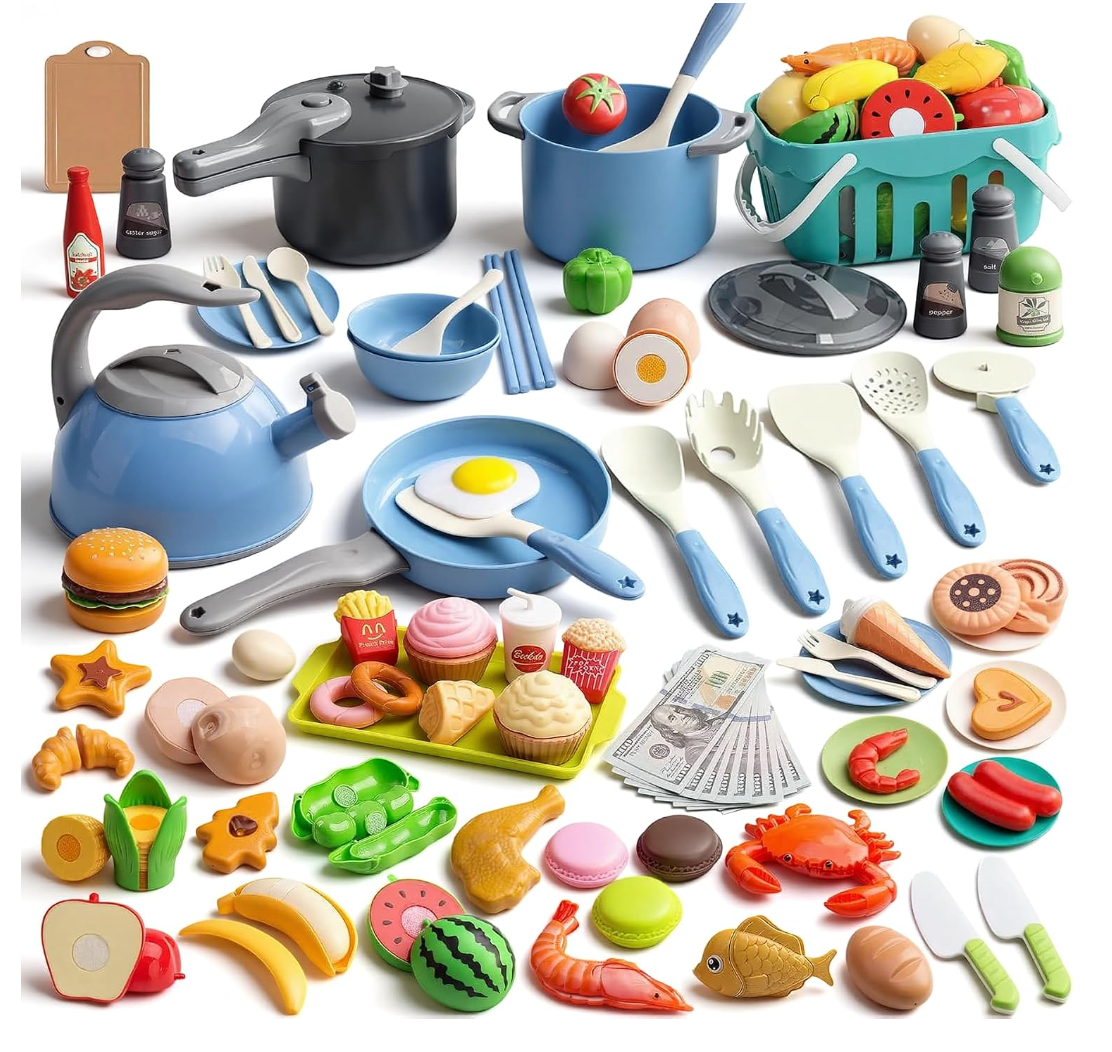
FAVORITE PLAY FOOD:
Prepare to consume approximately 14 imaginary meals per day.
6. Play-Doh & Modeling Dough
Play-Doh is inexpensive, easy to store and can become a completely different activity every time you bring it out.
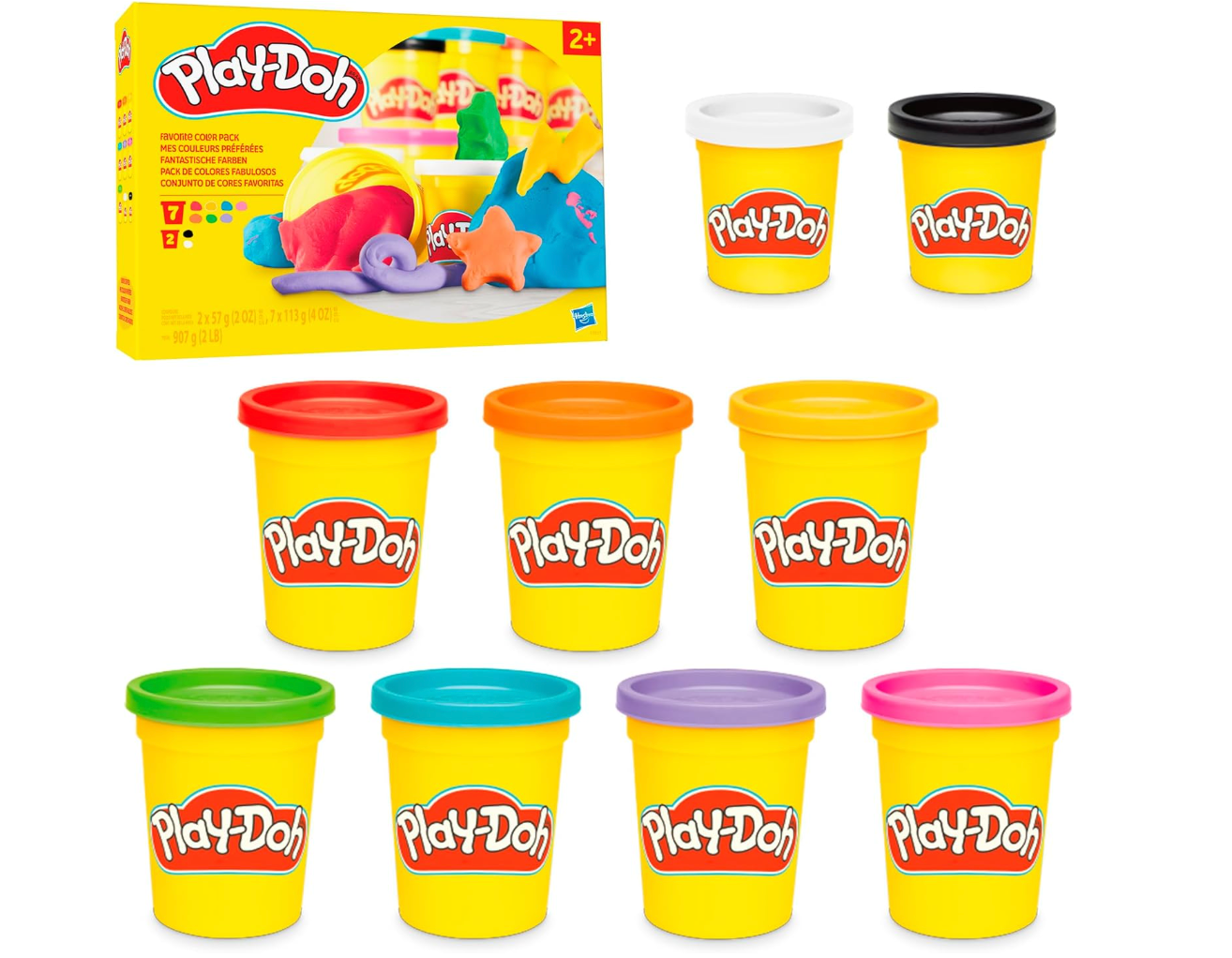
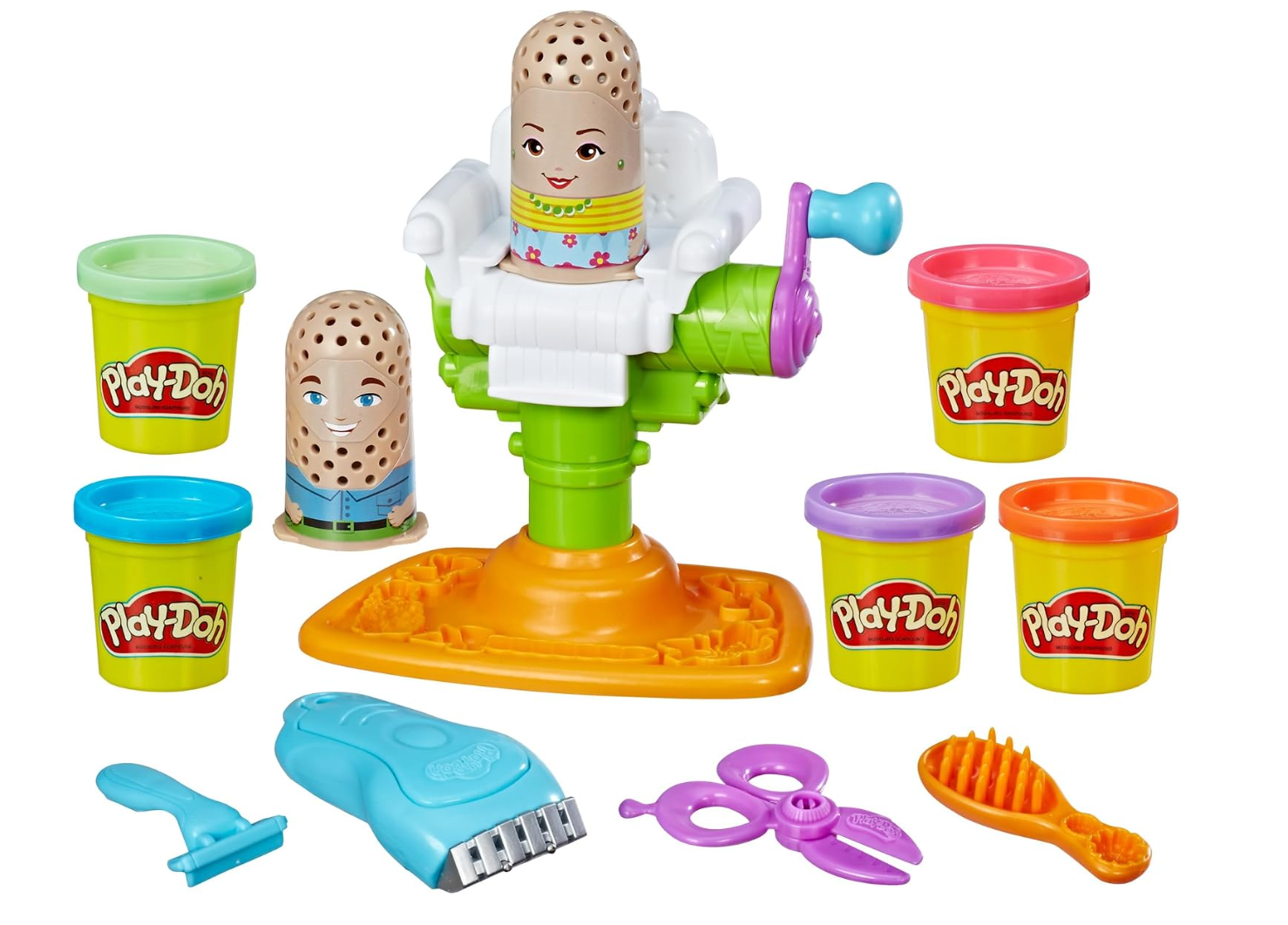
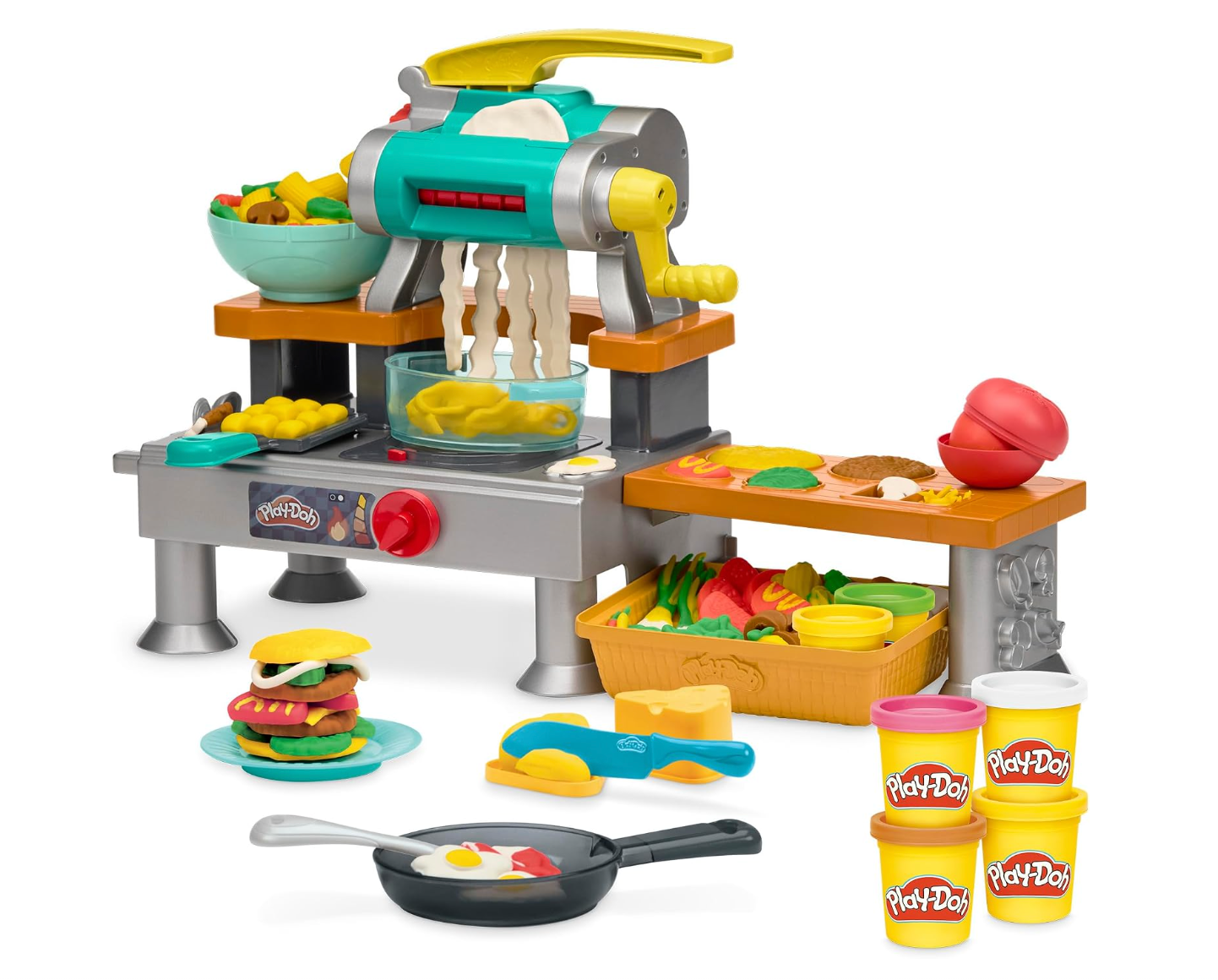
Toddlers can:
Roll it.
Squish it.
Cut it.
Make shapes.
Hide objects inside it.
Make pretend food.
Mix every beautiful color together until the entire collection becomes one mysterious shade of brown.
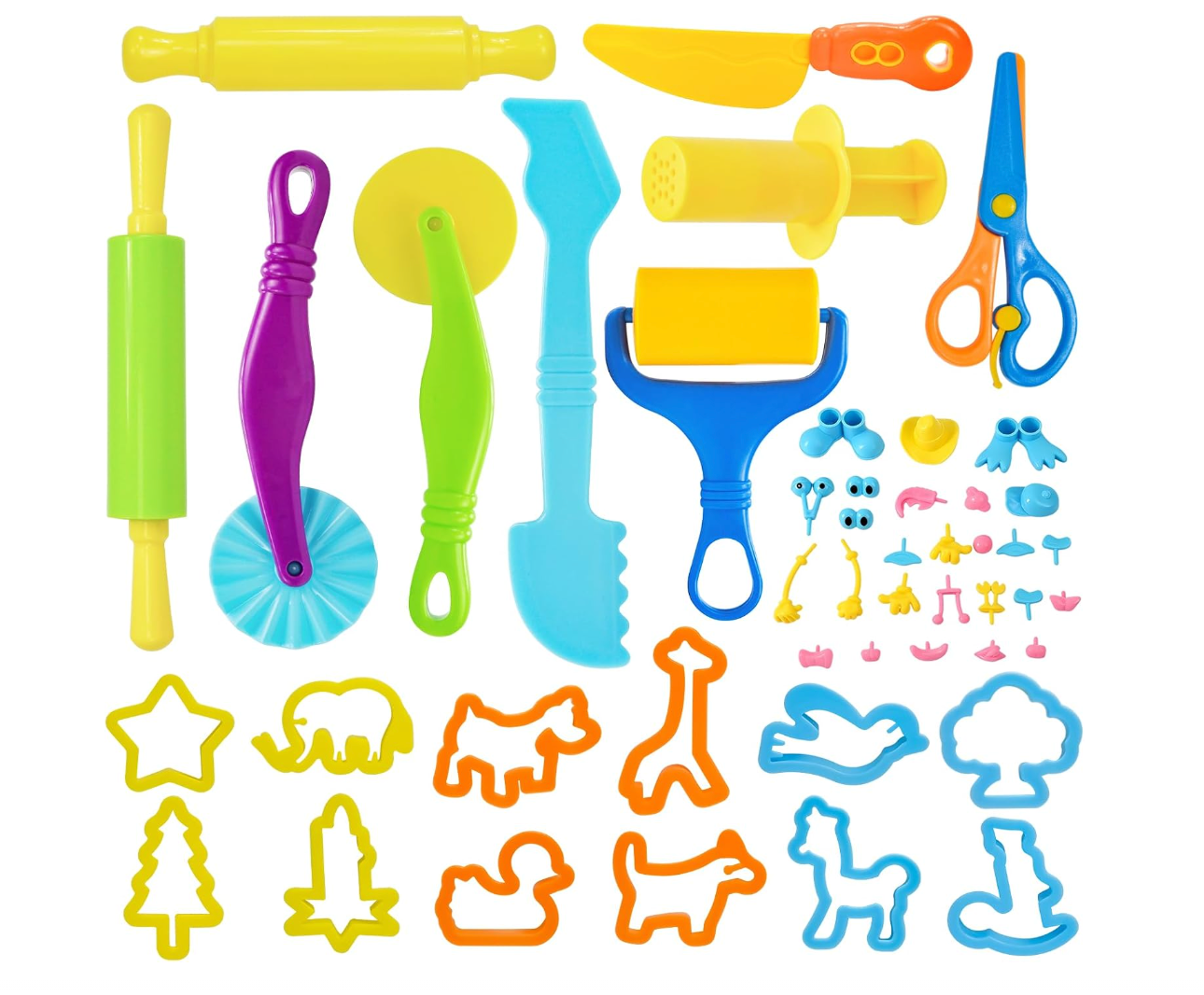
It's also easy to change the activity simply by adding different tools.
7. A Train Set
A simple wooden train set is another toy that grows beautifully with kids.
Younger toddlers can push trains around and connect a few pieces of track. Older toddlers can start designing entire layouts, building bridges and creating little towns around them.
Pair your train set with blocks, magnetic tiles, animals and little people and suddenly you've created an entire world.
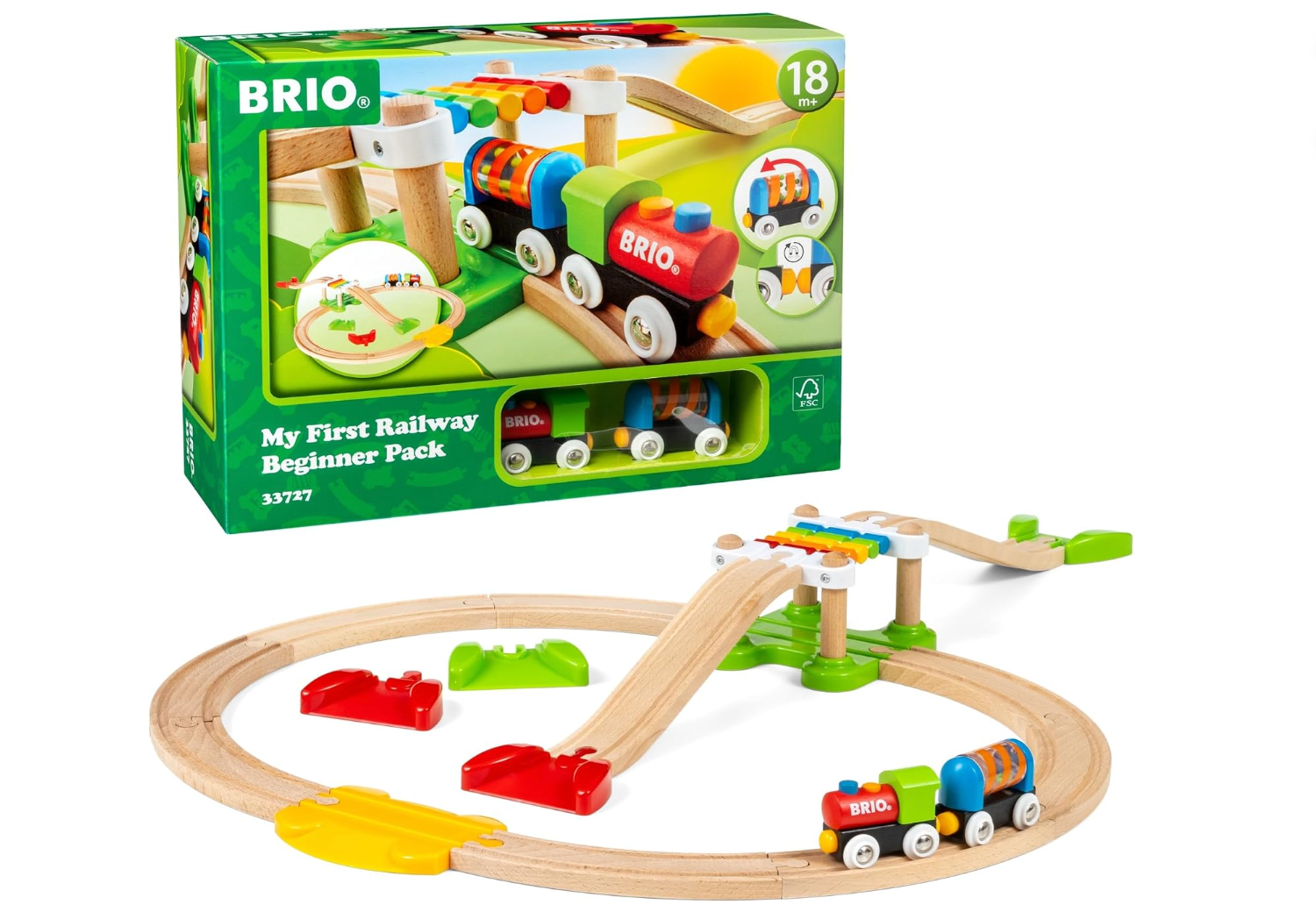
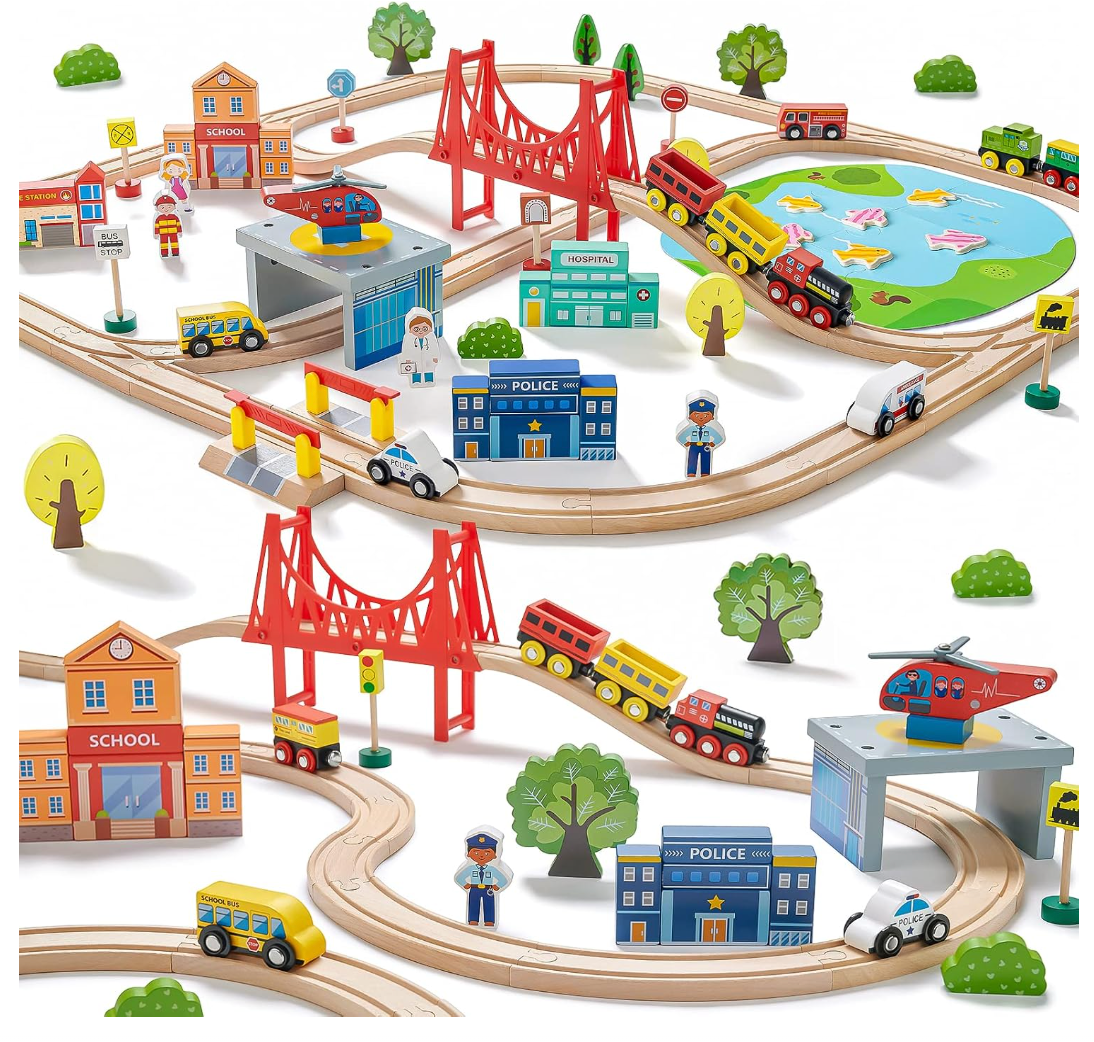
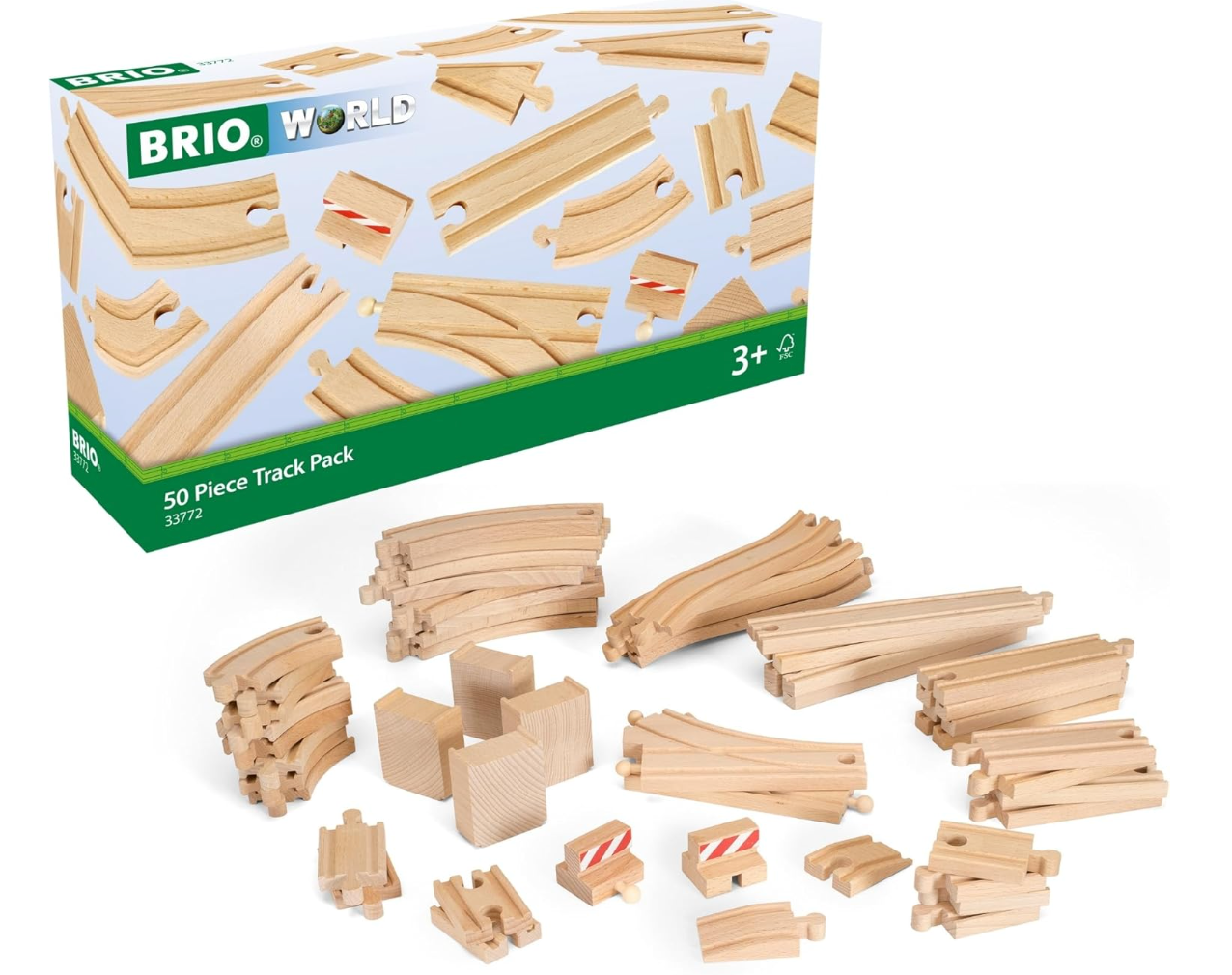
TRAIN SET WE RECOMMEND:
Brio train sets can be a bit pricey, but they last!
8. Little People & Figurines
Small people or character figures are fantastic for encouraging pretend play.
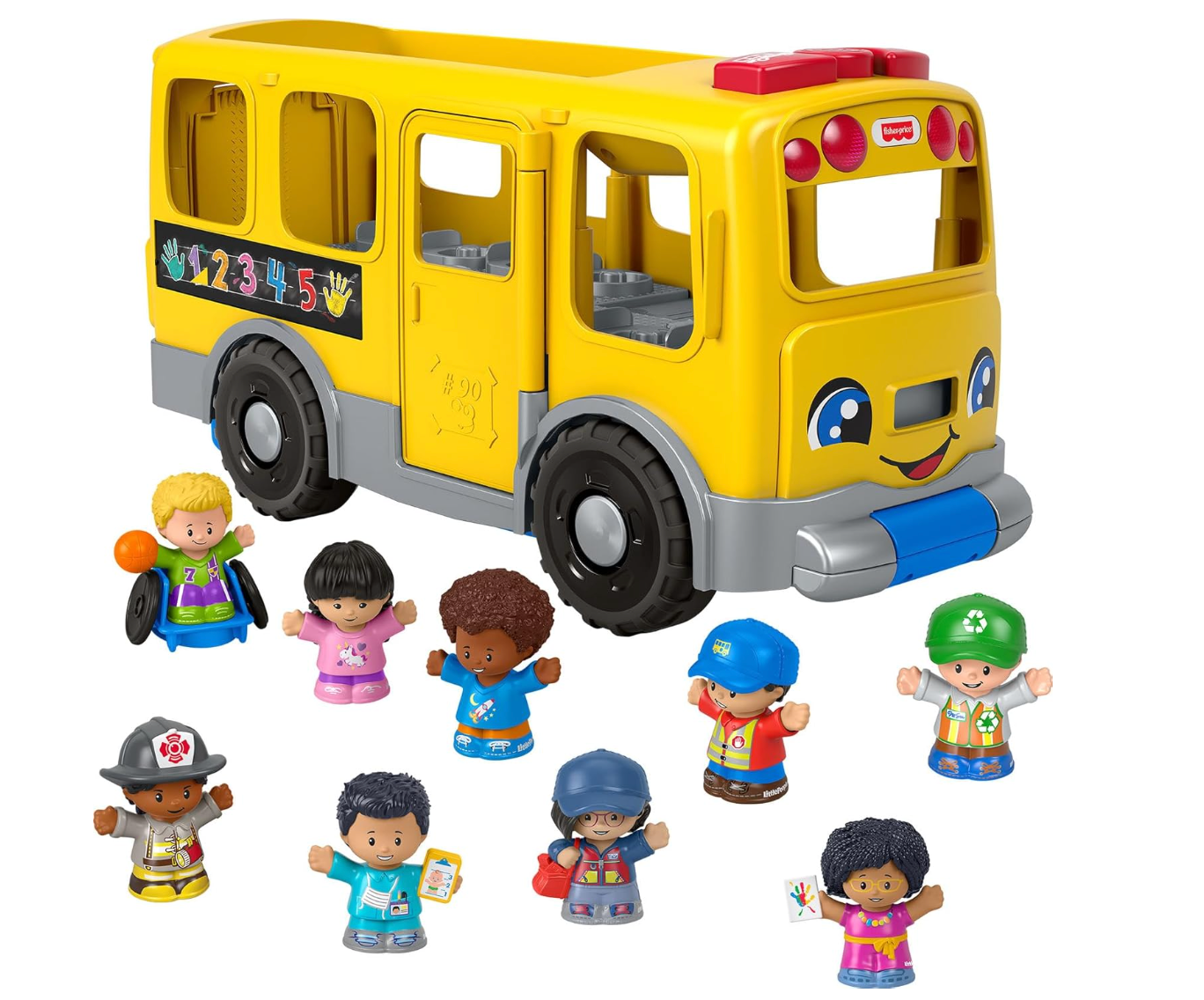
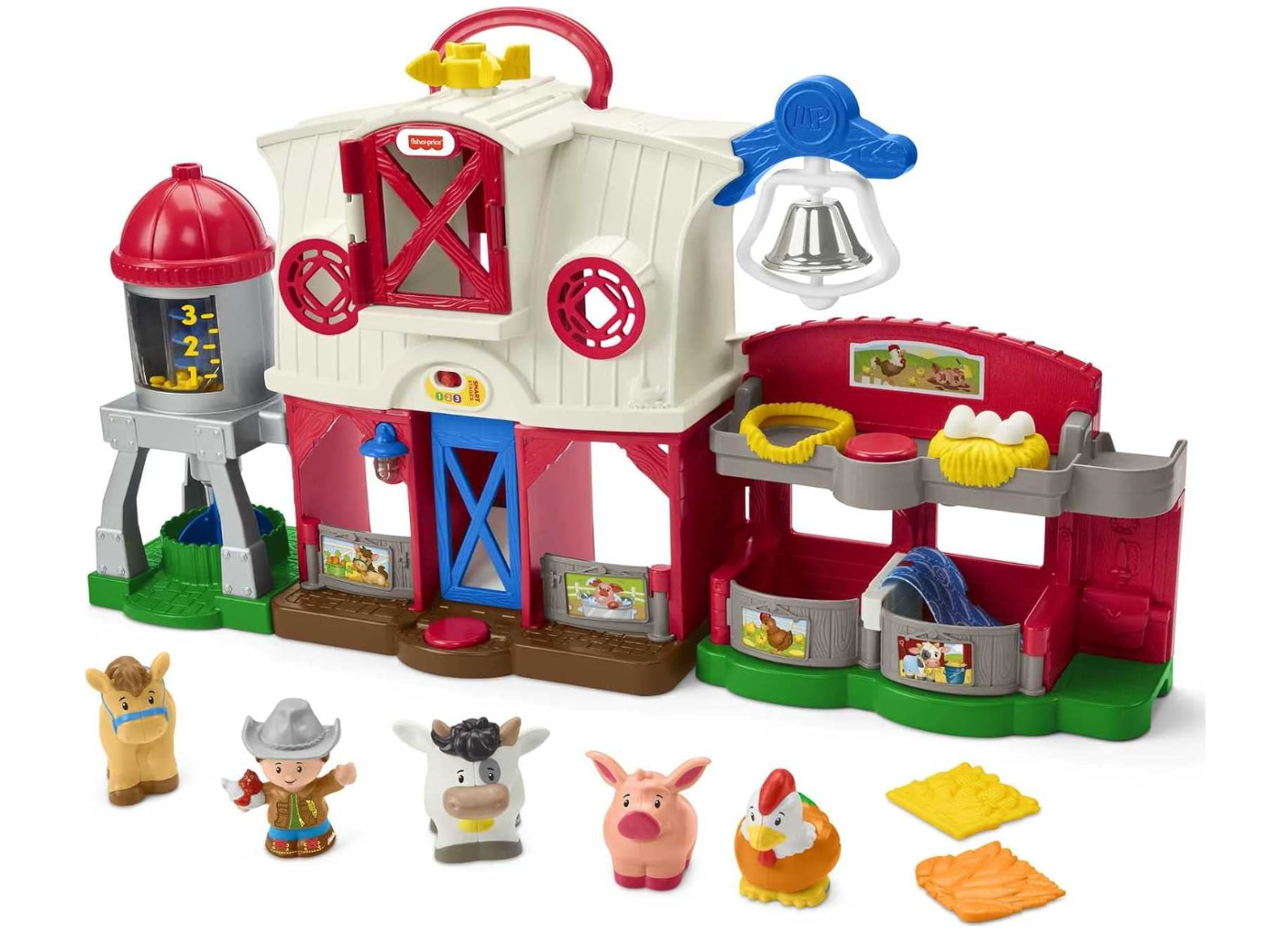
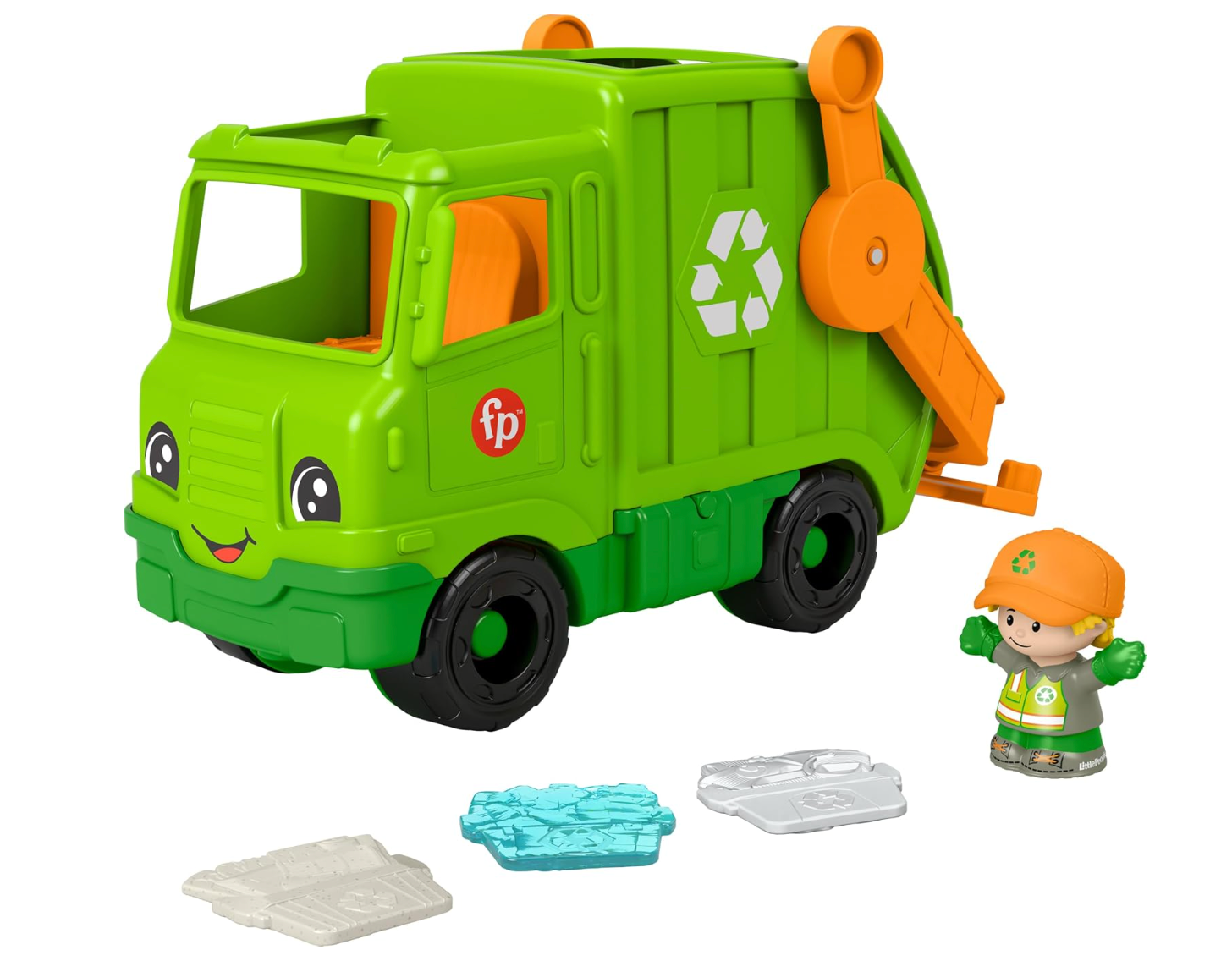
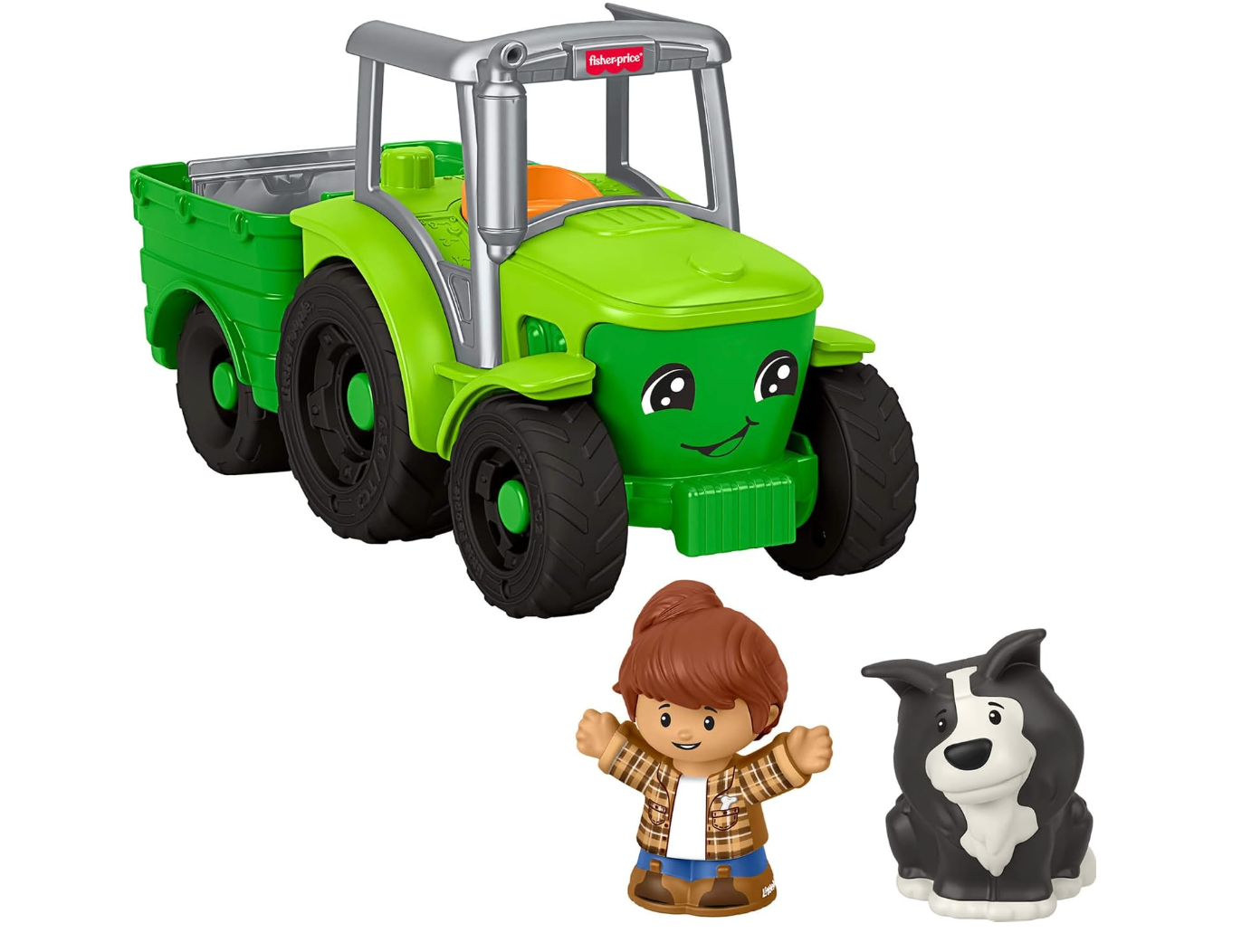
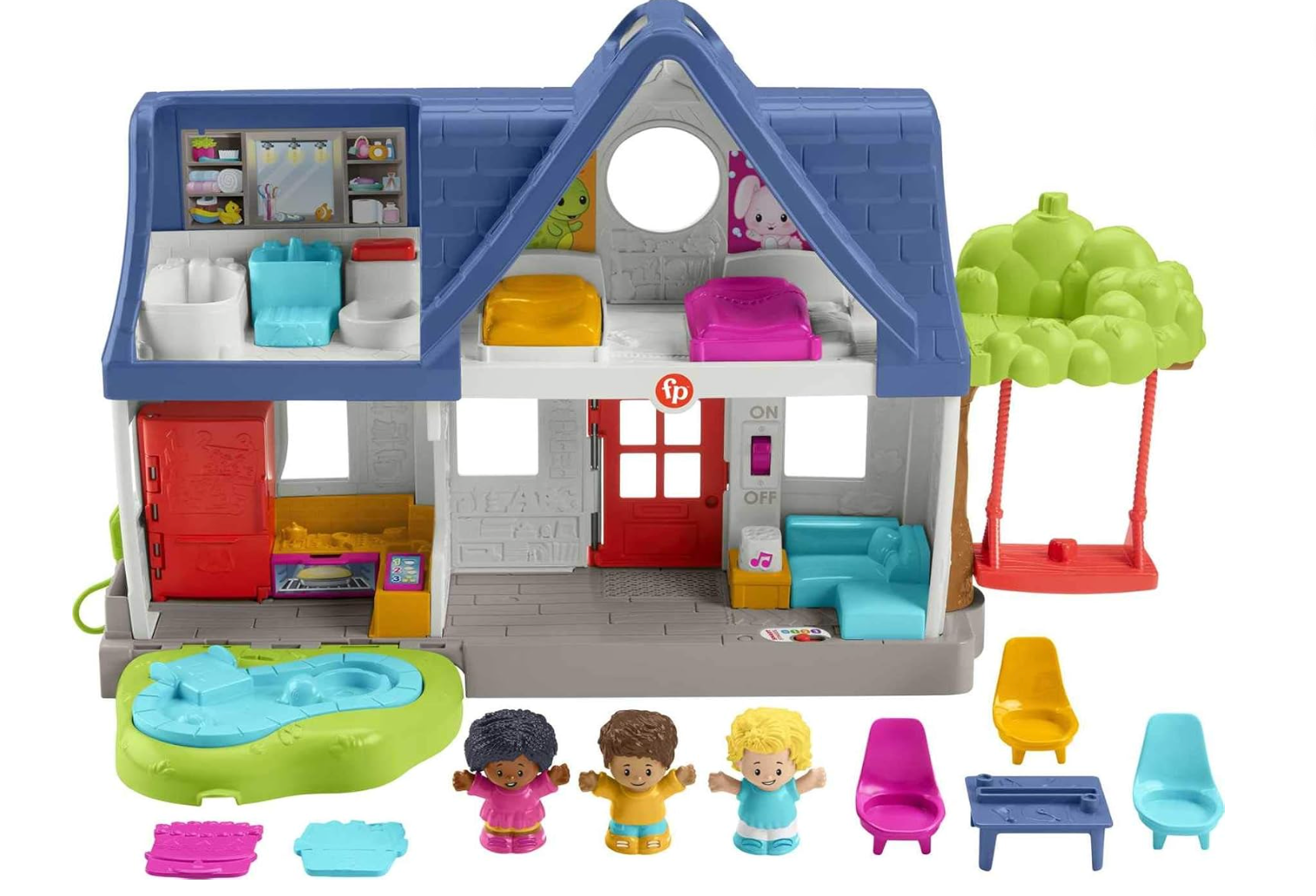
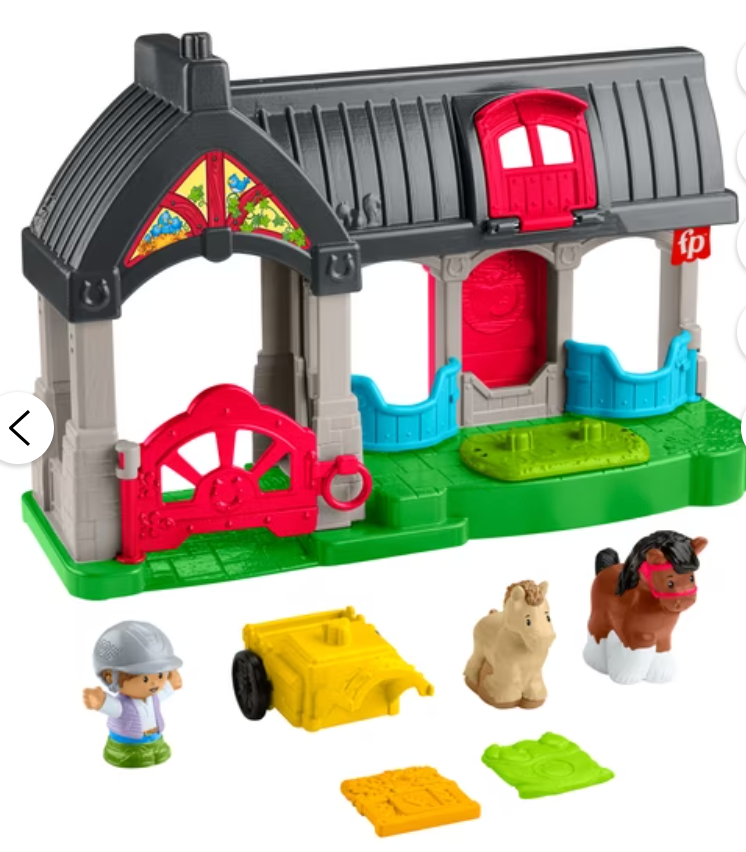
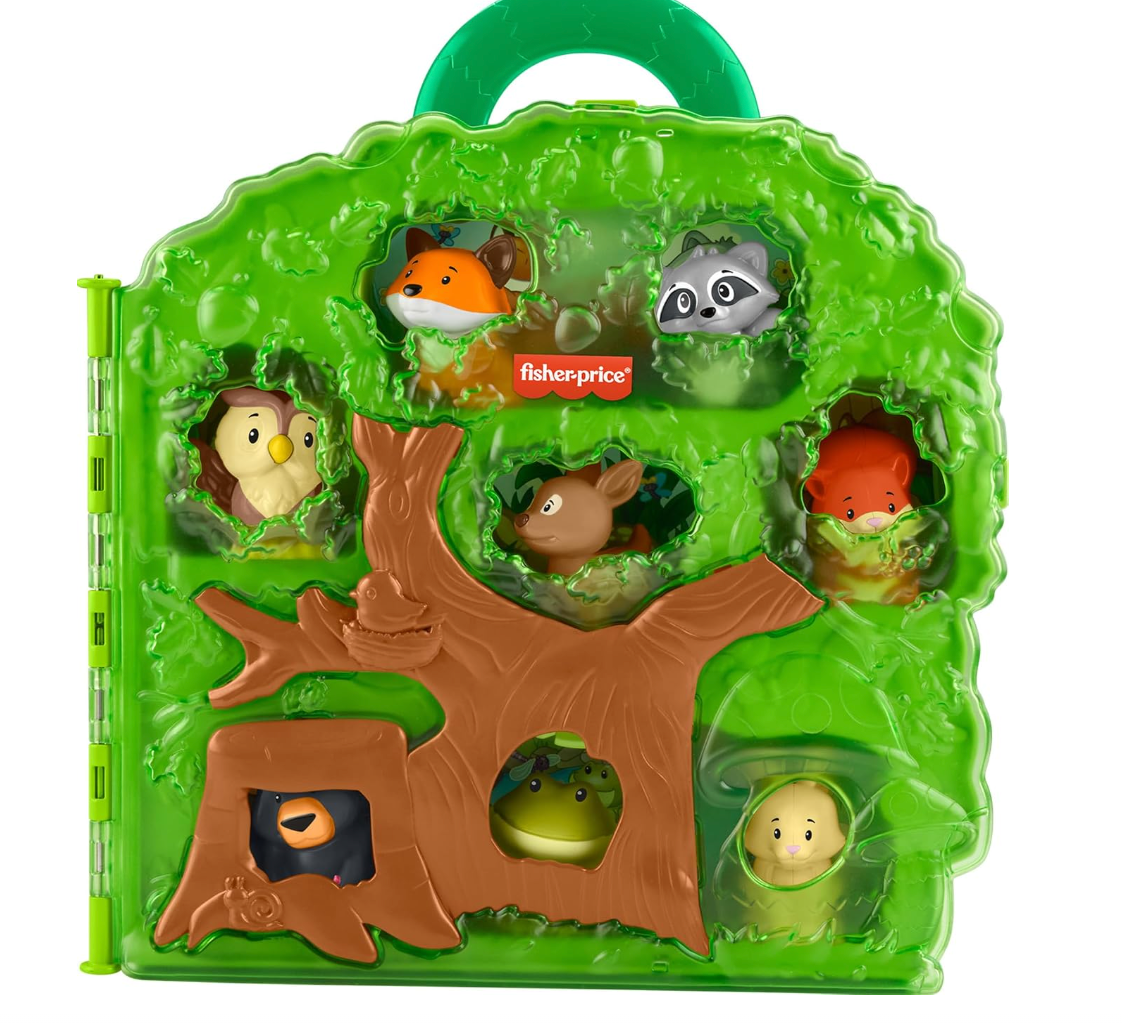
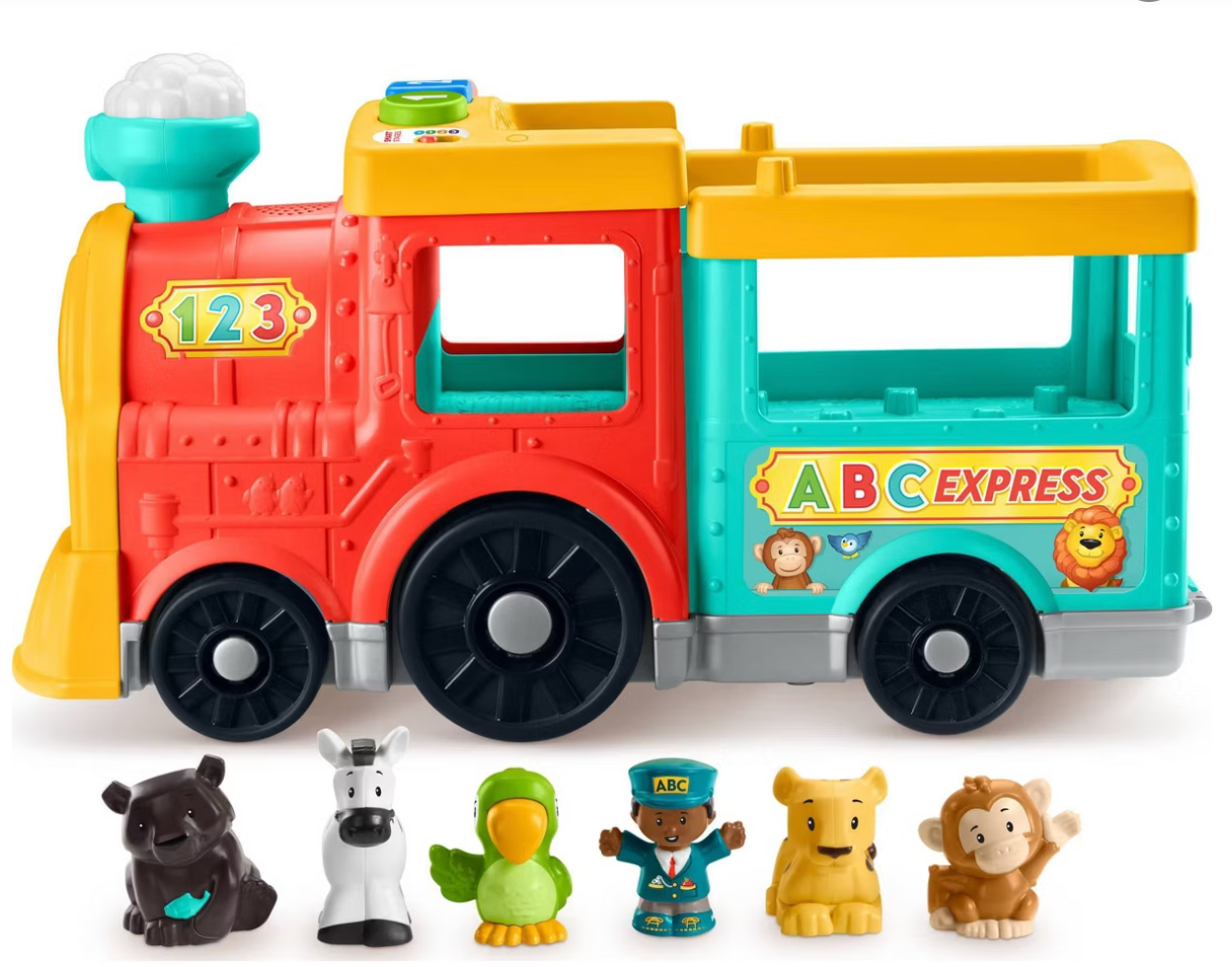
They can live in block houses, ride trains, drive cars, visit the play kitchen or apparently spend an alarming amount of time falling off furniture. We use these every day, and their favorites are the ones that came with the Fisher-Price Sets.
You don't need dozens.
A small collection is plenty.
OUR FAVORITE LITTLE PEOPLE TOYS:
9. Scarves, Silks & Dress-Up Pieces
This is one of those categories that doesn't look particularly exciting sitting on a shelf but can turn into almost anything.
A play silk can become:
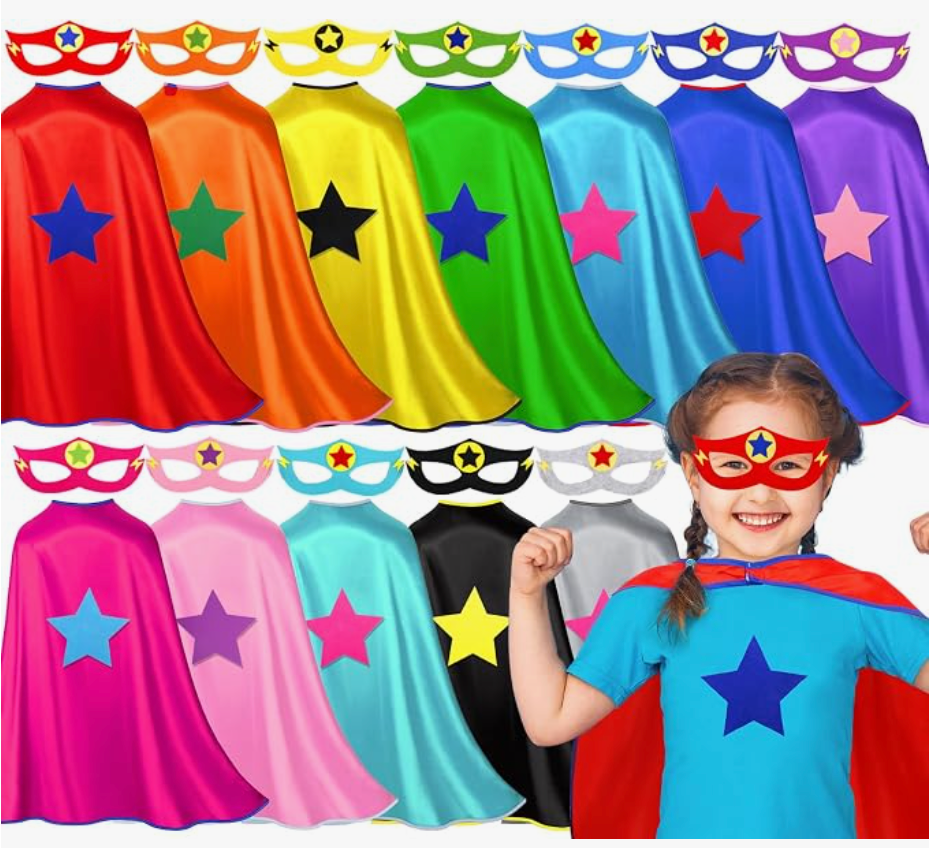
A cape.
A blanket.
A picnic blanket.
A river.
A tent.
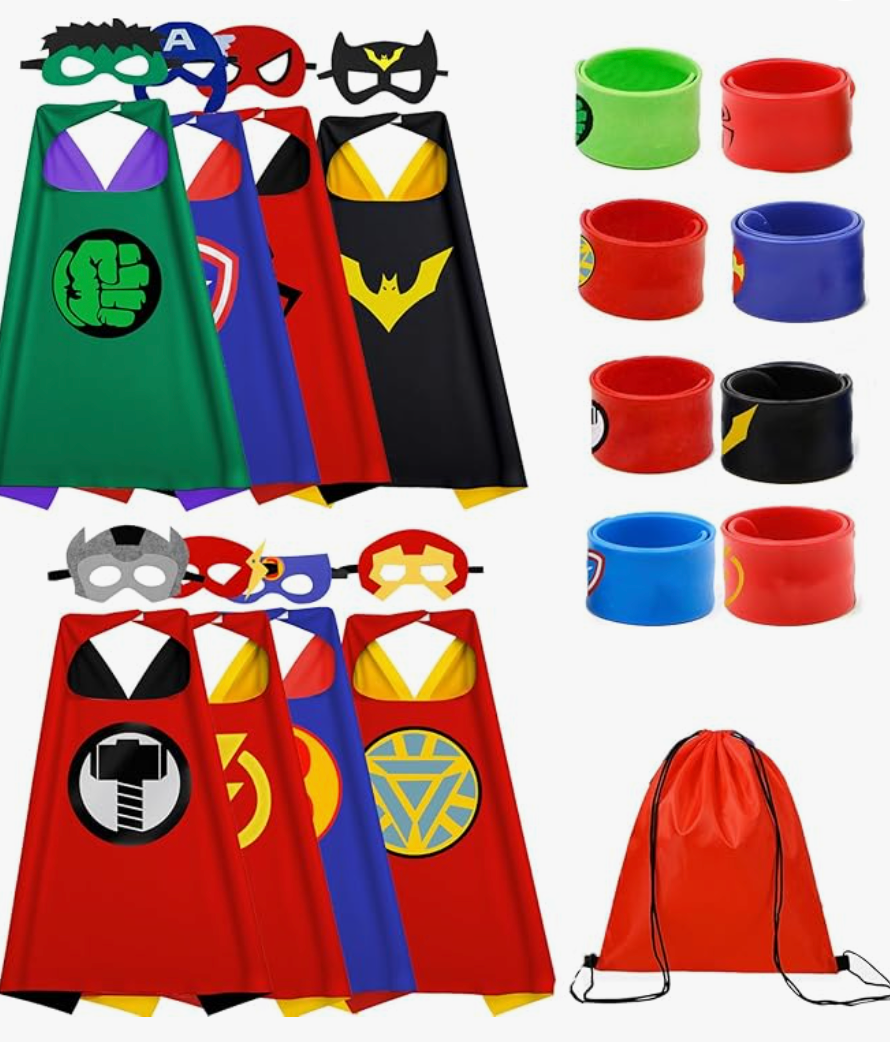
A superhero costume.
Something to drag around the house for absolutely no identifiable reason.
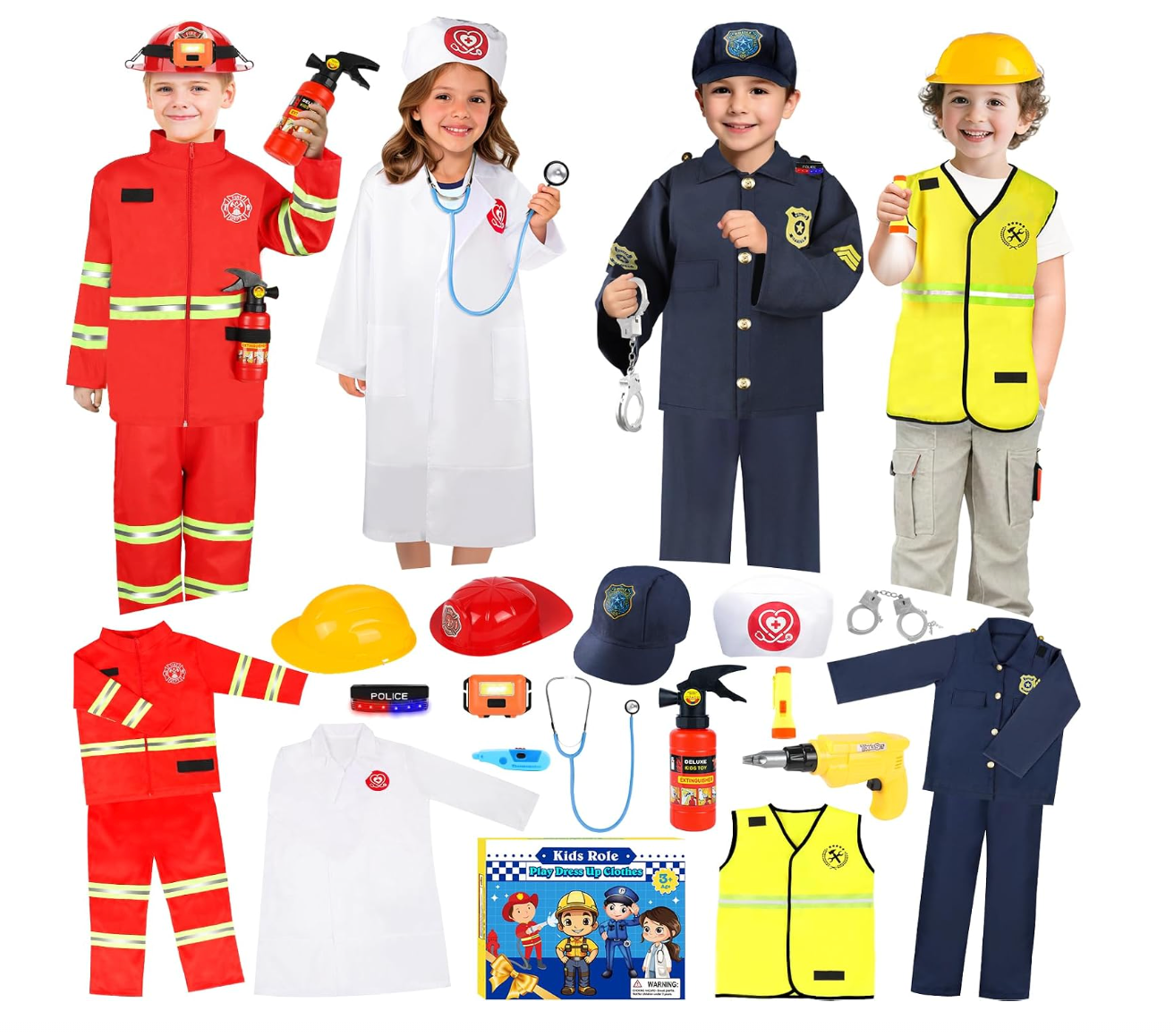
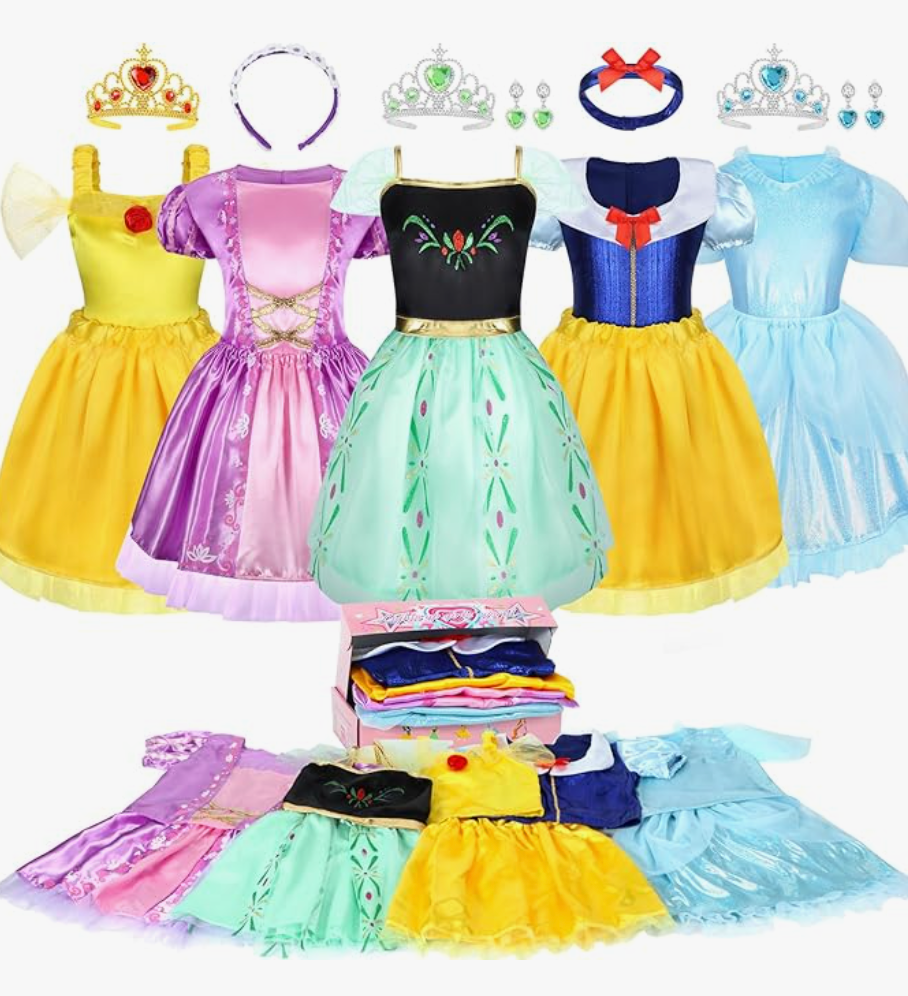
You can keep a small basket with scarves, hats and simple dress-up pieces instead of buying elaborate costumes.
10. Balls
Simple? Yes.
Effective? Also yes.
Different sizes and textures give toddlers opportunities to roll, throw, kick, bounce and chase.
You can also use balls for sorting activities, homemade ramps and indoor movement games.
Just perhaps reconsider the baseball-sized wooden ones if you enjoy having intact lamps.

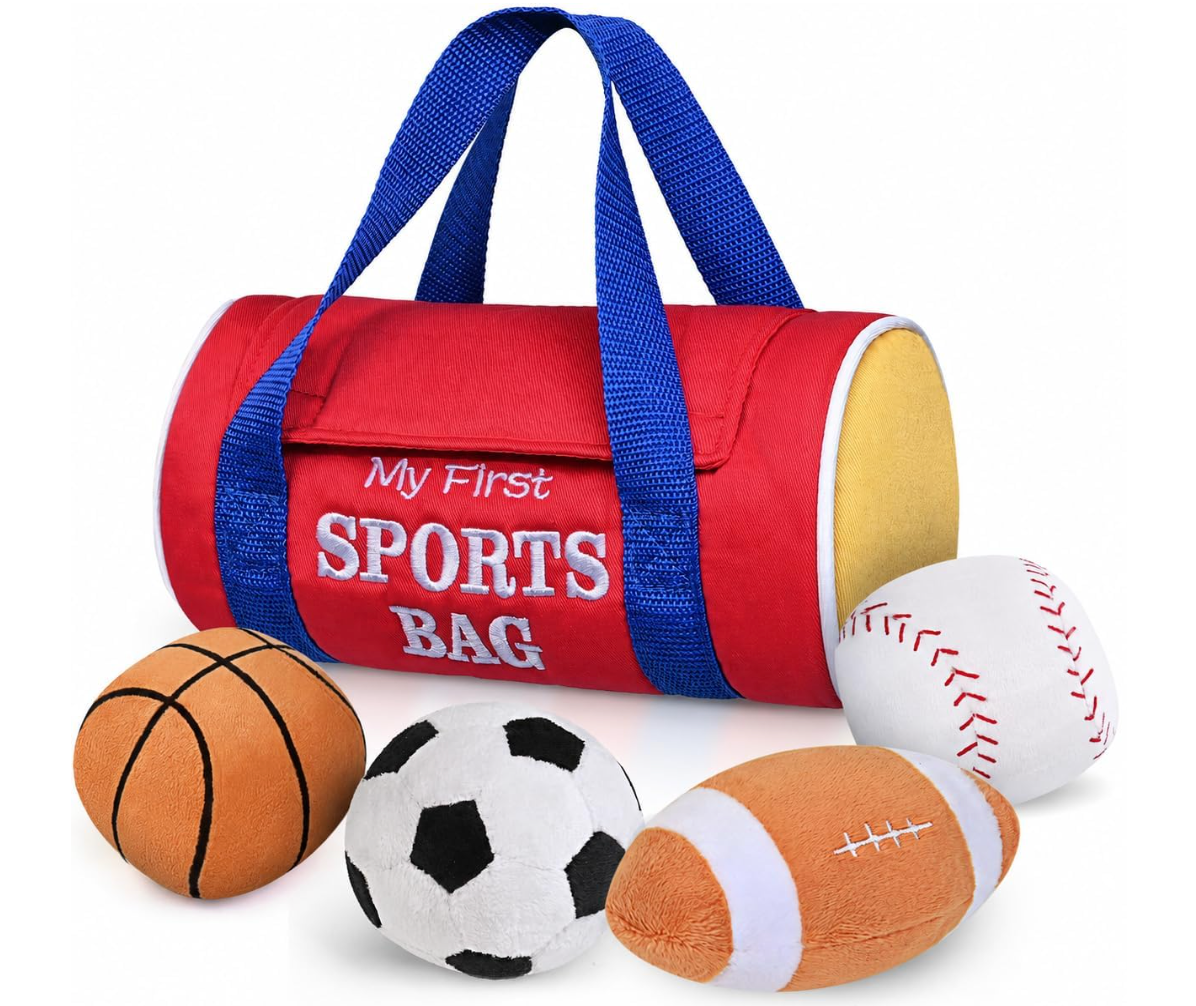
TODDLER BALL SET:
11. A Nugget-Style Play Couch
If you have the space, a modular play couch might be one of the ultimate open-ended playroom purchases.
One day it's a couch.
The next it's a fort.
Then it's a slide.
Then a tunnel.
Then an obstacle course.
Then somehow every cushion is on the opposite side of the room, and your toddler is sitting exactly where the couch used to be.
They're especially great for combining movement and imaginative play, which is helpful when you're stuck inside. Be sure to stick with the Nugget or Yourigami brands; they are the most durable for years of play!
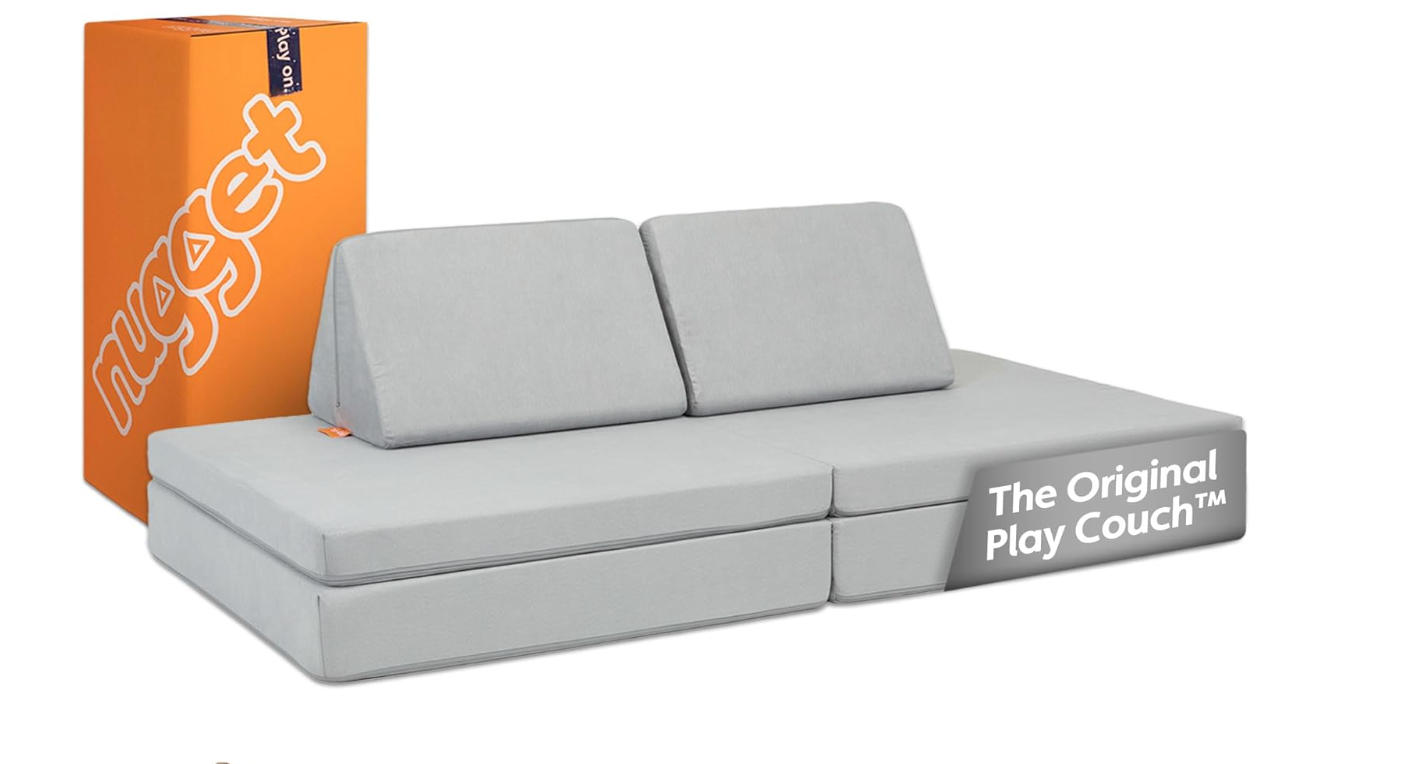
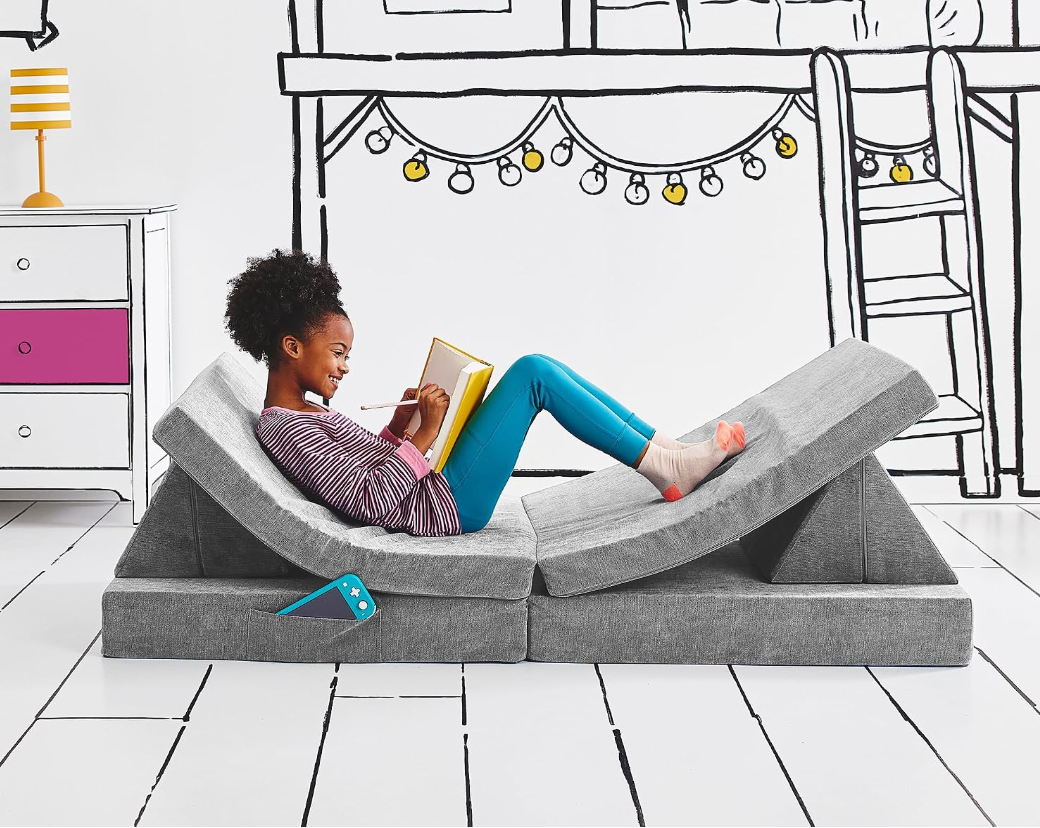
PLAY COUCHES:
ANOTHER OPTION: Costco sells a Yourigami version with extra pieces here.
12. Cardboard Boxes
Yes.
The box.
The free toy that comes with all the other toys.
Before throwing out a large Amazon box, give it to your toddler.
It can become a car, house, tunnel, boat, coloring surface or container for putting every single toy they own inside.
Add washable markers or stickers and you've created an activity without buying anything else.
Sometimes the best open-ended toy is literally the packaging your open-ended toy arrived in.
You Don't Need ALL of These
Here's the important part:
Your toddler does not need a playroom overflowing with toys.
In fact, having fewer toys available can make it easier for toddlers to actually settle into play instead of bouncing from one thing to another.
If I were creating a toddler playroom from scratch, I'd start with just a few categories:
Building: Blocks + magnetic tiles
Pretend: Animals + play food
Vehicles: Cars or trains
Creative: Play-Doh + art supplies
Movement: Balls + play couch
Then add things based on what your child actually enjoys.
You can also rotate toys instead of keeping everything accessible at once. We use these boxes to store toys and rotate every two weeks.
Suddenly bring out a toy they haven't seen in three weeks and watch them react like you've just returned from the North Pole with a brand-new Christmas present.
What I Look for When Buying Toddler Toys
I've become much pickier about what earns space in our playroom.
Before buying something, I usually ask:
Can they play with it more than one way?
Will they still use it six months from now?
Can it work with toys we already own?
Is it easy to store?
Does it require 400 batteries and randomly start talking from inside a closet at 2 a.m.?
That last one is particularly important.
The toys that get the most use in our house tend to be the simplest ones.
They don't entertain the toddler.
They give the toddler something to do.
And as a bonus, open-ended toys make toy rotation much easier because you don't need 100 different toys to create 100 different ways to play.
Sometimes all you need are blocks, cars, animals and a toddler with absolutely no respect for the structural integrity of your block tower.